Why Does My HVAC Smell Bad—And How Much Will It Cost to Fix?
When your HVAC system starts emitting strange odors, the first question isn’t usually what is causing the smell—it’s how much will this cost me? In Calabasas, where homes in neighborhoods like The Oaks and Mulholland Heights average $1.75 million, protecting your HVAC investment means understanding both the problem and the financial reality of fixing it. The good news: most odor issues cost far less than you might fear, and addressing them quickly prevents the kind of damage that could lead to a full system replacement costing $8,000–$15,000.
📋 In This Guide
💰 Typical Odor-Related Repair Costs
- Professional duct cleaning: $300–$500
- Air filter replacement + inspection: $150–$250
- Mold removal from air ducts: $600–$2,000
- Capacitor replacement (burning smell): $200–$450
- Blower motor repair/replacement: $400–$1,200
- Full HVAC mold remediation: $2,000–$10,000
Every strange smell from your HVAC services in Calabasas system tells a story about what’s happening inside—and most of those stories have happy endings if you act quickly. Here’s what you need to know about identifying odors, understanding the costs, and deciding when to call a professional versus when to wait it out.
The Musty Basement Smell: Mold, Mildew, and Moisture Problems
That damp, earthy odor reminiscent of old gym socks or wet cardboard usually signals mold or mildew growth somewhere in your HVAC system. In Calabasas, this issue becomes particularly common during the transition between seasons when condensation accumulates in drain pans, evaporator coils, or ductwork. Homes in Calabasas Park and Mountain View Estates, many built in the 1970s and 1980s, often have aging ductwork where moisture can collect unnoticed for months.
Where Mold Hides in Your System
Mold thrives in dark, damp environments with poor airflow. In your HVAC system, the most common breeding grounds include the condensate drain pan (which collects moisture from the evaporator coil), the evaporator coil itself, and sections of ductwork where condensation forms due to poor insulation. Less obvious locations include the air handler cabinet and even inside fiberglass duct insulation that has absorbed moisture over time.
The Real Cost of Ignoring Mold
Beyond the unpleasant smell, mold circulating through your home’s air can trigger respiratory issues, aggravate asthma, and cause allergic reactions—especially problematic in high-value homes where residents expect pristine indoor air quality. Professional ductwork repair and maintenance services can identify mold before it spreads throughout your entire system, potentially saving you thousands in remediation costs.
DIY Steps and When to Call ACE
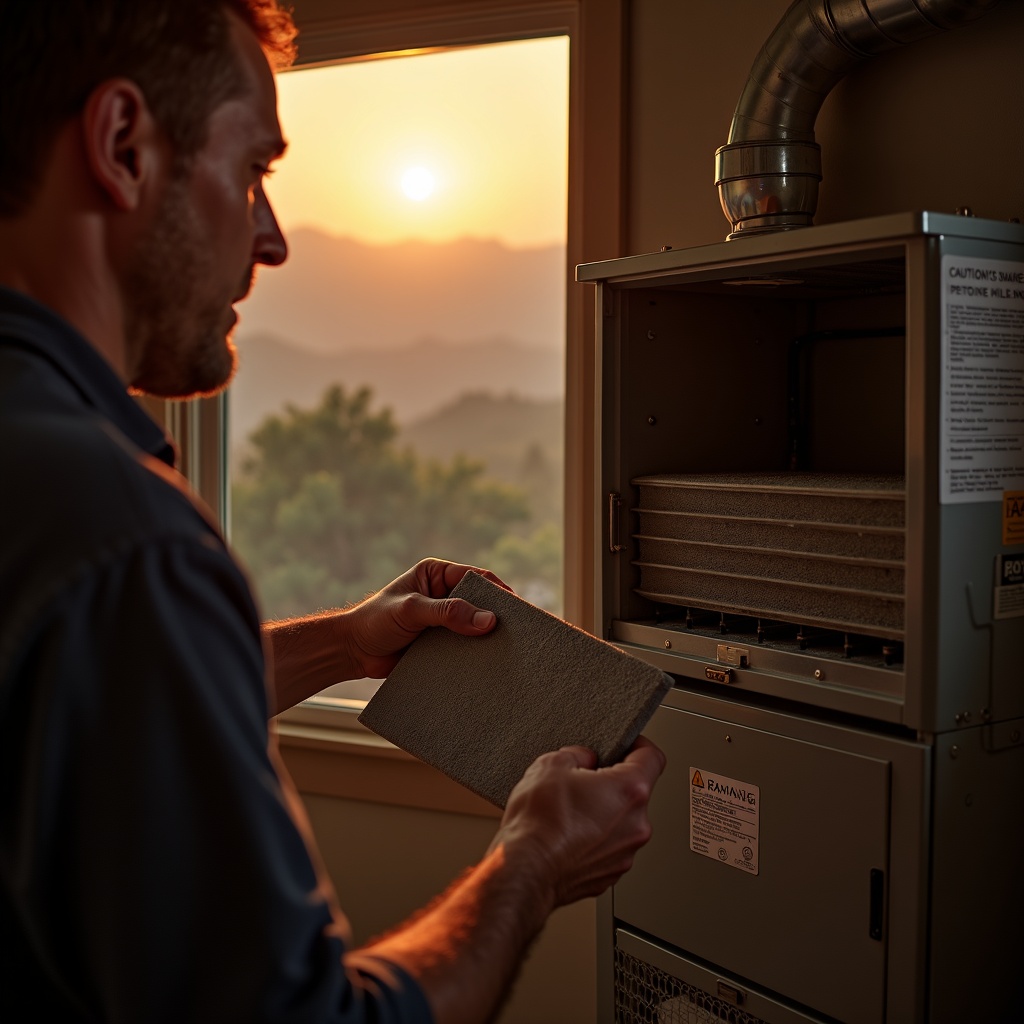
Start by checking your condensate drain line for clogs—a simple task that takes five minutes. Pour a cup of white vinegar down the drain line monthly to prevent algae and mold buildup. Replace your air filter if it appears damp or discolored. However, if the musty smell persists after these steps or intensifies when the system runs, you’re dealing with mold growth inside components that require professional cleaning or replacement.
Burning Dust vs. Electrical Fire: Decoding Burning Smells
Not all burning smells indicate danger, but distinguishing between normal dust burnoff and a serious electrical problem requires understanding what you’re smelling and when it occurs. This distinction can mean the difference between a routine maintenance call and an emergency repair that prevents a house fire.
Normal First-Use Dust Burnoff
When you fire up your heater for the first time each fall, a light burning smell that dissipates within 15–30 minutes is completely normal. Dust accumulates on heat exchangers, burners, and other components during the months your furnace sits idle. When these parts heat up, the dust burns off, creating a temporary odor similar to burning paper. This is especially common in Calabasas homes where furnaces may go unused for six months or more during mild winters.
Dangerous Electrical Burning Odors
A burning smell that resembles melting plastic, scorched rubber, or gunpowder indicates electrical problems that demand immediate attention. These odors often stem from overheating motors, failing capacitors, damaged wiring, or electrical shorts within the system. Unlike dust burnoff, electrical burning smells intensify over time rather than fading, and they may be accompanied by popping sounds, smoke, or a circuit breaker that repeatedly trips.
| Smell Characteristic | Normal Dust Burnoff | Electrical Problem |
|---|---|---|
| Duration | 15–30 minutes, then fades | Persists or intensifies |
| Smell Type | Dusty, like burning paper | Plastic, rubber, metallic |
| When It Occurs | First use of the season | Any time during operation |
| Other Symptoms | None | Popping sounds, smoke, breaker trips |
| Action Required | Monitor, ventilate home | Shut down immediately, call technician |
Cost Breakdown for Electrical Repairs
Capacitor replacements typically run $200–$450, while blower motor issues range from $400–$1,200 depending on whether repair or replacement is necessary. These costs are substantially lower than the potential damage from an electrical fire or a complete system failure that could cost $8,000+ to replace in a high-end Calabasas home.
Rotten Egg and Chemical Odors: When to Evacuate Immediately
Some HVAC odors signal dangers that transcend equipment damage—they threaten your family’s immediate safety. Understanding these emergency smells and responding appropriately could save lives.
A rotten egg smell indicates a natural gas leak. Gas companies add mercaptan, a sulfur compound, to naturally odorless natural gas specifically so you can detect leaks. If you smell rotten eggs near your furnace, gas line, or anywhere in your home, follow this protocol without deviation: evacuate everyone immediately, do not flip any light switches or create sparks, leave the door open as you exit, and call 911 and your gas company from outside the home. Do not re-enter until authorities declare it safe.
Chemical or sweet smells resembling paint thinner or formaldehyde may indicate a refrigerant leak from your air conditioning system. While not immediately life-threatening like natural gas, refrigerant exposure causes dizziness, headaches, and respiratory irritation. Modern refrigerants are less toxic than older formulations, but leaks still require prompt professional repair. Refrigerant doesn’t just disappear—if your AC repair in Calabasas system is low on refrigerant, there’s a leak that must be located and sealed before recharging the system.
The typical cost to locate and repair a refrigerant leak ranges from $300–$1,500 depending on leak location and accessibility, plus $150–$400 for refrigerant recharge. This investment protects both your family’s health and your HVAC system’s efficiency—low refrigerant forces your compressor to work harder, accelerating wear and potentially leading to a $2,000+ compressor replacement.
Prevention Strategies for Calabasas Climate Conditions
Calabasas experiences a Mediterranean climate with dry summers and mild winters, but the area’s proximity to canyon systems creates unique HVAC challenges. Morning marine layer moisture that burns off by afternoon creates temperature fluctuations that promote condensation inside ductwork—the perfect environment for mold growth.
Schedule professional maintenance twice yearly: once before cooling season (April/May) and once before heating season (October/November). During these visits, technicians inspect drain pans for standing water, check condensate lines for clogs, examine ductwork for moisture intrusion, and clean evaporator coils where mold commonly develops. This preventive approach costs $95–$200 per visit but prevents the $2,000–$10,000 mold remediation expenses that result from neglected systems.
Replace air filters every 30–60 days, not the 90 days often recommended in more humid climates. Calabasas’ dusty, dry air during Santa Ana wind events clogs filters faster than average, restricting airflow and causing systems to overheat. A $20 filter changed regularly prevents $400+ blower motor repairs caused by overheating.
Consider upgrading to UV lights installed in your air handler, which kill mold and bacteria before they colonize your ductwork. This $400–$800 investment provides ongoing protection, particularly valuable in older Calabasas homes with original ductwork that may have decades of accumulated biofilm inside.
Ensure your attic insulation is adequate and ductwork is properly sealed. Calabasas summer temperatures regularly exceed 95°F, creating temperature differentials that cause condensation inside poorly insulated ducts. This moisture feeds mold growth and reduces system efficiency. Professional duct sealing costs $1,000–$2,500 but pays dividends through lower energy bills and eliminated odor problems.
When DIY Fixes Work and When They Make Problems Worse
Homeowners can safely address certain odor issues, but attempting repairs beyond your skill level risks creating more expensive problems or voiding equipment warranties. Understanding these boundaries protects both your safety and your wallet.
Safe DIY tasks include replacing air filters, pouring vinegar down condensate drain lines to clear minor clogs, removing visible debris from outdoor condenser units, and cleaning supply and return vent covers. These maintenance tasks cost under $50 in materials and prevent many common odor problems. If you smell burning dust when first starting your heater each season, simply run the system with windows open for 30 minutes—if the smell dissipates, you’ve confirmed normal dust burnoff requiring no further action.
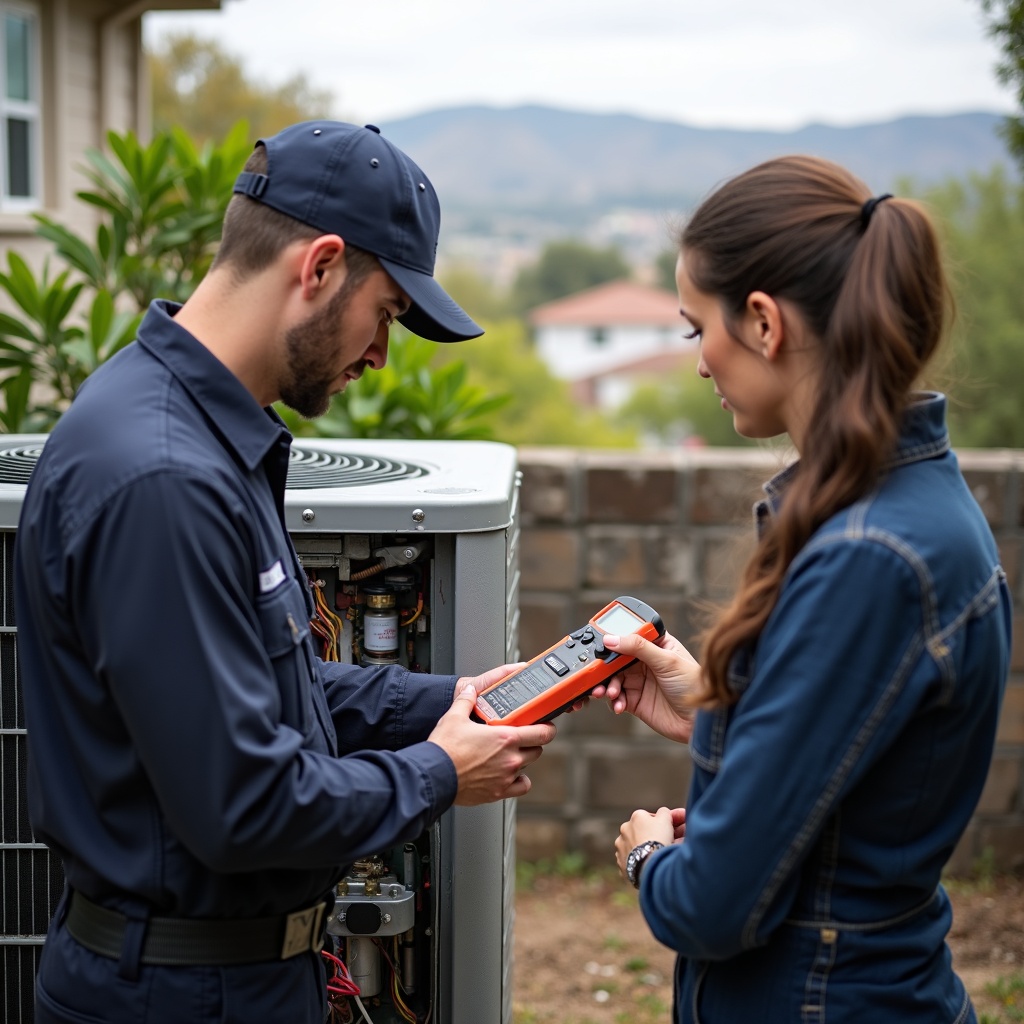
However, opening your air handler cabinet, accessing ductwork, handling refrigerant, inspecting electrical components, or attempting to clean evaporator coils yourself crosses into territory where professional expertise becomes essential. Modern HVAC systems contain high-voltage electrical components, pressurized refrigerant lines, and sensitive electronic controls. A misstep during amateur repair can electrocute you, release refrigerant illegally (EPA violations carry fines up to $37,500), or damage components that turn a $300 repair into a $3,000 disaster.
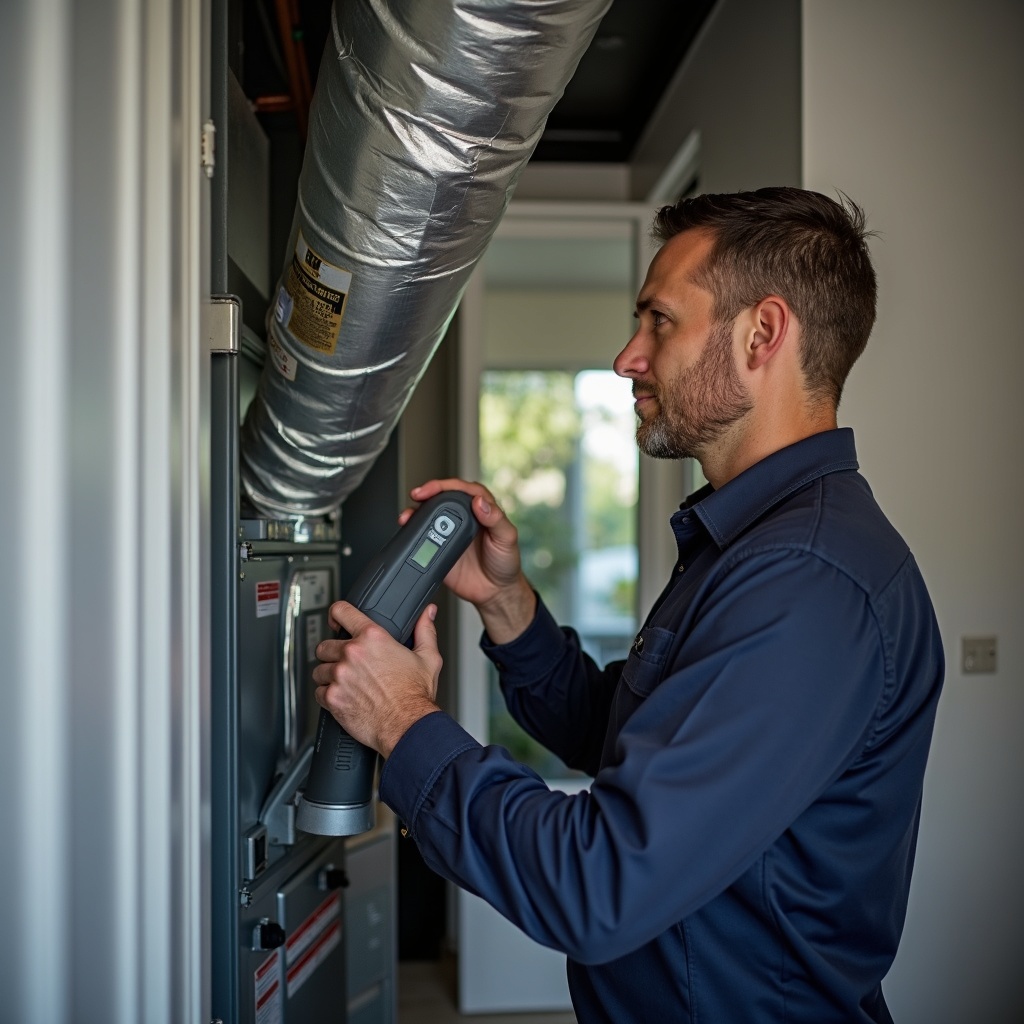
The professionals at ACE Appliance Heating and Cooling carry specialized tools, proper safety equipment, and comprehensive liability insurance that protects you if something goes wrong. They also diagnose the root cause rather than treating symptoms—spraying air freshener into vents might mask a musty smell temporarily, but it does nothing to address the mold growth causing the odor.
Get Expert HVAC Odor Diagnosis in Calabasas Today
Strange smells from your HVAC system rarely resolve themselves. Whether you’re detecting musty odors in your Mulholland Heights home, burning smells when your heat kicks on, or concerning chemical odors anywhere in your system, prompt professional diagnosis prevents minor issues from escalating into major expenses. The cost of a diagnostic visit ($150–$250) pales in comparison to the thousands you might spend on emergency repairs or mold remediation if problems go unaddressed.
ACE Appliance Heating and Cooling serves Calabasas and surrounding communities with honest diagnostics, transparent pricing, and expert repairs that fix problems right the first time. Our technicians understand the unique HVAC challenges facing Calabasas homes, from marine layer moisture issues to the dust and debris from nearby canyon wildfires. We carry the parts and expertise to resolve odor problems quickly, often during the same visit, minimizing the disruption to your family’s comfort.
Don’t let HVAC odors compromise your indoor air quality or signal equipment damage that worsens over time. Call ACE Appliance Heating and Cooling at (818) 939-4882 for residential AC repair service that prioritizes your safety, your budget, and your long-term HVAC system health. We serve all Calabasas neighborhoods including The Oaks, Calabasas Park, and nearby communities throughout the San Fernando Valley.
Get Your Free Quote Today