When Ignoring Wildfire Prep Nearly Cost a Vista De Oro Homeowner Everything
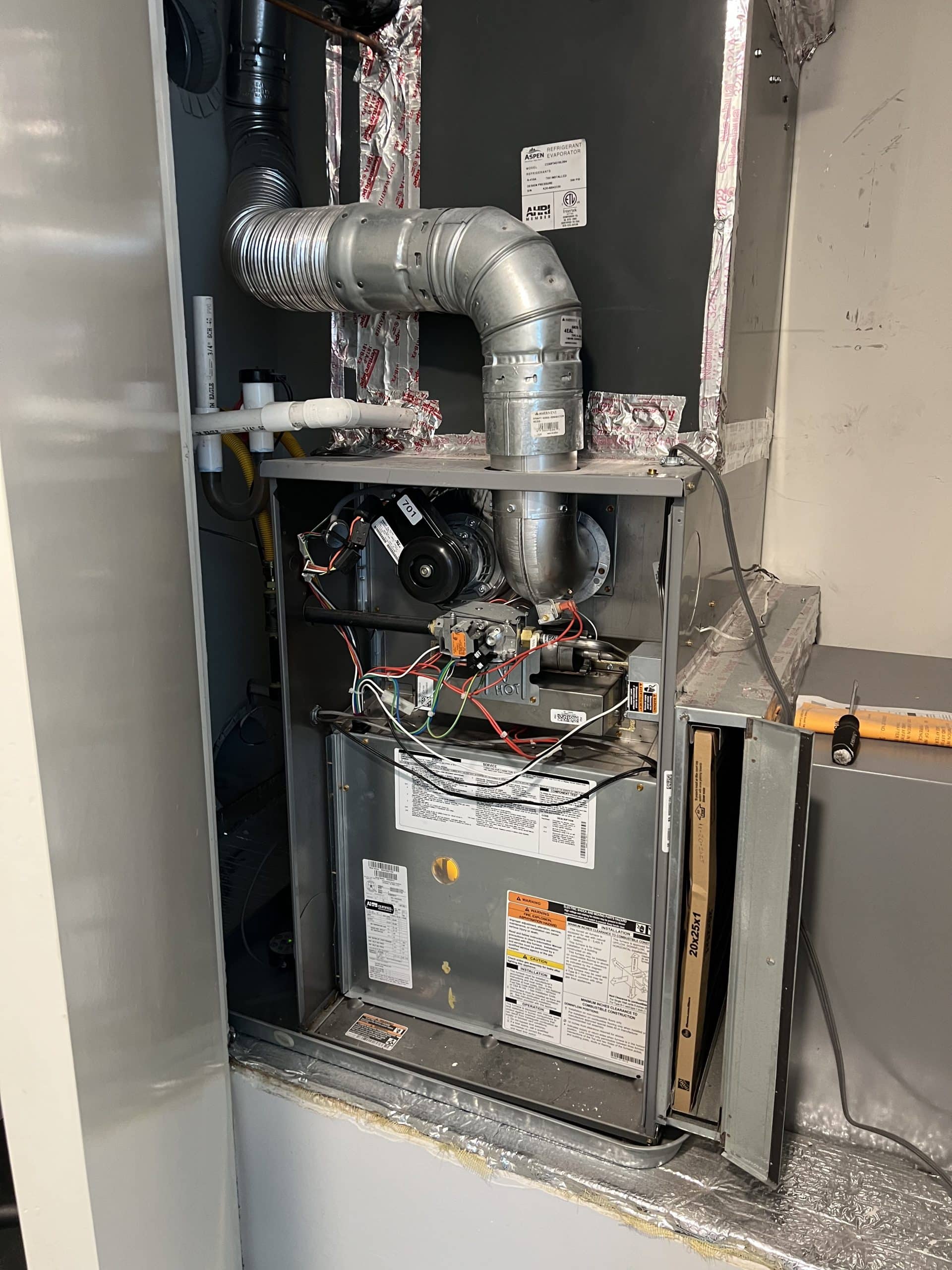
Last October, a Woodland Hills homeowner in Vista De Oro learned an expensive lesson during the Springs Fire smoke event. She’d lived through previous wildfire seasons without issue, so when air quality alerts flashed across her phone, she figured running the AC would filter out the smoke. Within 48 hours, her $8,000 HVAC system was pulling hazardous outdoor air directly into every room, coating the evaporator coil in particulate matter and forcing a complete system shutdown during 95°F heat. The repair bill exceeded $3,200—and that was just the beginning. The real damage was the asthma flare-ups her family endured and the three weeks spent living in a home that smelled like a campfire.
📋 In This Guide
💰 Wildfire HVAC Protection Cost Ranges
- MERV 13 Filter (6-pack): $70–$100
- Whole-Home Air Purifier Installation: $1,500–$4,000
- Ductwork Sealing Service: $500–$2,500
- Post-Smoke System Inspection: $150–$300
- Emergency Coil Cleaning: $250–$600
Wildfire season in Woodland Hills now runs from late spring through fall, with Southern California experiencing increasingly frequent smoke events. The Upper Las Virgenes Canyon Open Space Preserve borders our community, and when fires ignite in surrounding areas, prevailing winds push smoke directly over neighborhoods like Walnut Acres and Girard Tract. High-value homes in the $1 million range require proactive HVAC protection—not reactive crisis management. This checklist gives you a step-by-step action plan to protect both your system and your indoor air quality before, during, and after wildfire smoke exposure.
Pre-Season HVAC Hardening Checklist
Complete these steps in early spring, before California’s extended wildfire season begins. Preparation costs far less than emergency repairs, and HVAC services in Woodland Hills book up fast once smoke arrives.
Filter Upgrade Protocol
☐ Verify your system can handle MERV 13 filters. Check your HVAC manual or call a technician—not all systems have the blower capacity for high-efficiency filtration. Forcing a MERV 13 into an incompatible system restricts airflow and damages the blower motor. Systems installed after 2015 typically handle MERV 13, but older units in College Acres homes may need a professional assessment.
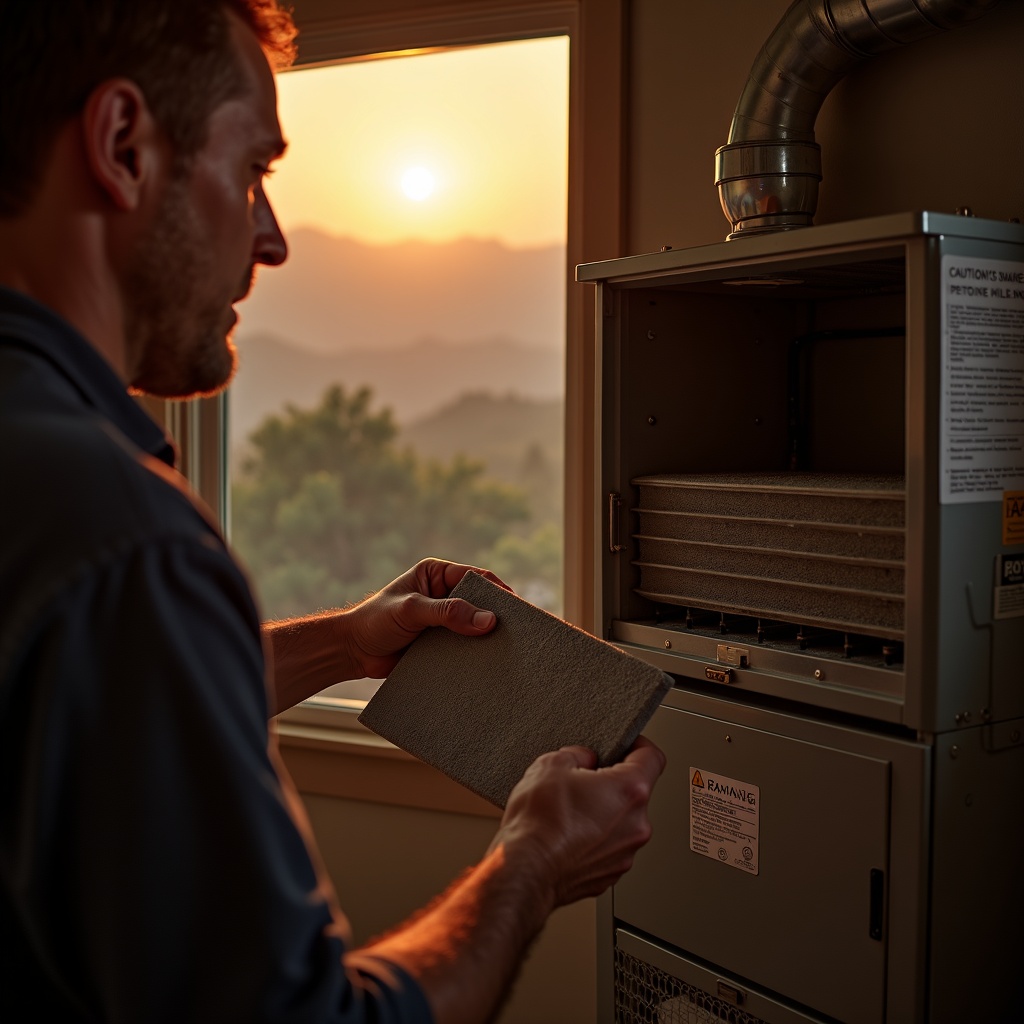
☐ Stock 6–12 MERV 13 filters before fire season. When smoke hits, hardware stores sell out within hours. MERV 13 filters trap particles as small as 0.3 microns—the exact size of wildfire smoke particulate. During heavy smoke events, you’ll replace filters every 2–4 weeks instead of the standard 90 days. At $12–$20 per filter, buying in bulk saves money and guarantees availability.
☐ Locate your return air grilles and measure filter sizes. Many Woodland Hills homes have multiple return vents. Write down each size and tape a reminder inside your electrical panel door. When air quality suddenly drops, you won’t waste time hunting for measurements.
Ductwork Integrity Inspection
☐ Schedule professional duct sealing if you notice uneven cooling. Leaky ductwork pulls unfiltered attic air—often the smokiest air in your house—directly into living spaces. Professional ductwork repair and sealing costs $500–$2,500 depending on home size, but eliminates 20–40% of air leakage. In homes with attic ductwork (common in Woodland Hills), sealing pays for itself through reduced smoke infiltration and lower cooling costs.
☐ Check attic access points and weatherstrip doors. Smoke enters through every gap. Weatherstripping costs $3–$8 per door and takes 15 minutes to install. Focus on attic access hatches, garage entry doors, and any door connecting conditioned space to unconditioned areas.
☐ Identify your fresh air intake valve. Many newer HVAC systems have a fresh air intake that pulls outdoor air into the ductwork for ventilation. During smoke events, this valve must be closed. Locate it now—it’s usually near the air handler in the attic or garage. Mark it with bright tape labeled “CLOSE DURING SMOKE.”
System Capability Assessment
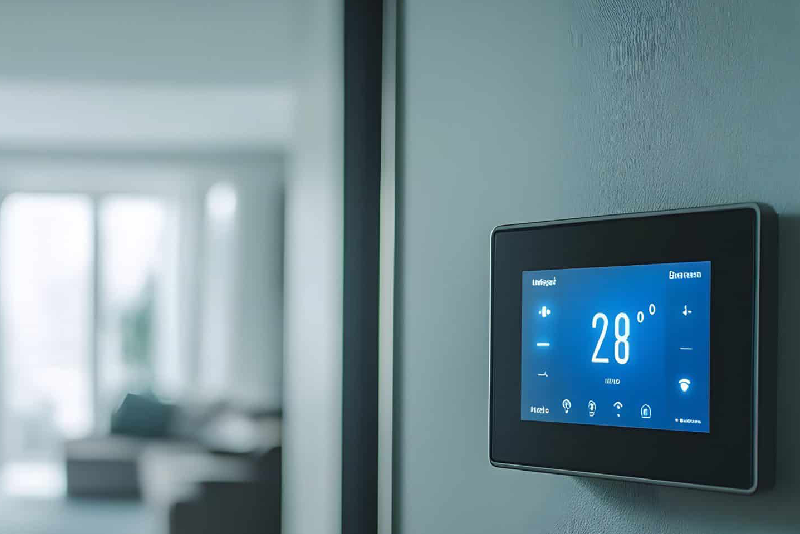
☐ Test your thermostat’s fan-only mode. During smoke events, you’ll run the fan continuously to filter indoor air even when you don’t need cooling. Verify the “Fan On” or “Circulate” setting works. If your thermostat only offers “Auto,” consider upgrading to a smart thermostat with manual fan control and air quality monitoring.
☐ Consider whole-home air purification for long-term protection. If you have family members with asthma, COPD, or heart conditions, a whole-home air purifier integrated into your HVAC provides hospital-grade filtration. Installation costs $1,500–$4,000, but systems like HEPA filters or UV light purifiers remove 99.97% of smoke particles, bacteria, and viruses. Given Woodland Hills’ median home value of $1.05 million, this investment protects both health and property resale value.
| Protection Method | Cost Range | Effectiveness | Best For |
|---|---|---|---|
| MERV 13 Filters | $12–$20 each | Captures 98% of particles 0.3 microns+ | Basic protection, all homes |
| Duct Sealing | $500–$2,500 | Eliminates 20–40% air leakage | Homes with attic ductwork |
| Whole-Home HEPA | $1,500–$4,000 | Removes 99.97% of 0.3 micron particles | Families with health vulnerabilities |
| Portable HEPA Units | $500–$1,800 | Single room protection | Apartments, no ducted HVAC |
Active Smoke Event Response Checklist
When AirNow.gov shows Woodland Hills air quality in the “Unhealthy” range (AQI 151+) or you can smell smoke, execute these steps immediately. Speed matters—every hour of exposure damages both your HVAC system and your family’s respiratory health.
Immediate System Adjustments
☐ Close fresh air intake valves completely. This is your first and most critical step. Outdoor air during smoke events contains particulate matter 2.5 (PM2.5) concentrations that overwhelm standard filters and coat your evaporator coil in soot.
☐ Switch thermostat to recirculate mode. Set the fan to “On” rather than “Auto.” This runs the blower continuously, pushing indoor air through your MERV 13 filter every 15–20 minutes. Yes, it increases electricity costs slightly, but it’s far cheaper than replacing a smoke-damaged compressor. Homes in Carlson Park with well-sealed ductwork can reduce indoor PM2.5 by 60–80% using this technique.
☐ Replace filters at the first sign of discoloration. During intense smoke events, MERV 13 filters clog in days, not months. A clogged filter forces your system to work harder, risking blower motor failure. Check filters every 3–5 days during smoke—if they’re gray or brown, replace them immediately.
☐ Monitor indoor air quality with a portable sensor. Devices like PurpleAir monitors ($200–$300) show real-time indoor PM2.5 levels. If indoor levels rise despite filtration, you have ductwork leaks pulling in outdoor air. This data helps AC repair in Woodland Hills technicians diagnose problems quickly.
Operational Decision Points
☐ Decide whether to run AC during hazardous air quality days. This depends on your ductwork integrity and filter quality. If you have sealed ducts and MERV 13+ filters, running the AC in recirculate mode improves indoor conditions. If you have leaky ducts or standard MERV 8 filters, you’re better off using portable air purifiers in one or two rooms and avoiding whole-house AC. When outdoor AQI exceeds 300 (hazardous), even well-sealed systems struggle—consider relocating to a friend’s house or public building with commercial filtration.
☐ Create a “clean air room” for extended smoke events. Choose a bedroom or living room, seal gaps under doors with towels, close windows, and run a portable HEPA unit rated for the room size. Run the HVAC to filter the rest of the house, but focus on making one space truly clean for sleeping and high-activity times. This strategy works especially well in larger Woodland Hills homes where filtering 3,000+ square feet requires significant HVAC capacity.
☐ Avoid using kitchen or bathroom exhaust fans. These fans create negative pressure, pulling smoky outdoor air through every crack and gap. If you must cook, use the stovetop instead of the oven (which generates less smoke) and wipe down surfaces instead of showering (bathroom fans are major culprits). Small behavioral changes dramatically reduce smoke infiltration.
Post-Smoke Recovery and System Restoration
After air quality returns to “Good” (AQI 0–50), your HVAC system needs attention. Smoke leaves residue throughout the system, and ignoring it shortens equipment lifespan by years.
Inspection and Cleaning Protocol
☐ Schedule a professional post-smoke inspection within 2 weeks. Even if your system seems fine, smoke particulate accumulates on evaporator coils, blower wheels, and condensate drains. Inspection costs $150–$300 and identifies issues before they become $1,500 compressor replacements. Technicians check for: particulate buildup on coils, condensate drain clogs from soot, blower motor stress from restricted airflow, and refrigerant pressure changes from overwork.
☐ Have evaporator and condenser coils professionally cleaned if exposed to heavy smoke. Coil cleaning costs $250–$600 but removes the soot layer that reduces heat transfer efficiency by 30–40%. Dirty coils force your compressor to run longer, increasing wear and electricity costs. This service pays for itself within one cooling season.
☐ Replace all filters again after smoke clears. Even if you replaced filters during the event, install fresh ones for the post-smoke period. Residual particulate in ductwork will load onto filters faster than normal for 2–3 weeks after outdoor air clears.
☐ Check condensate drain lines for soot clogs. Smoke particles mix with condensation and create thick sludge in drain lines, causing water backups and potential water damage. Pour a cup of white vinegar down the drain line or call for professional cleaning if you notice standing water in the drain pan.
Documentation for Insurance and Future Reference
☐ Photograph filter condition before and after smoke events. If you need to file an insurance claim for HVAC damage from wildfire smoke, visual evidence of filter loading and system stress strengthens your case. Date-stamp photos and keep them in a dedicated folder.
☐ Track filter replacement frequency and costs. Documenting unusually high filter consumption during smoke season helps justify home insurance claims and provides data for future budgeting. A typical Woodland Hills home might use 4 filters per year normally, but 12+ during active wildfire seasons.
☐ Request written reports from all post-smoke inspections. Professional documentation of smoke-related wear supports warranty claims and home sale disclosures. If you decide to sell, prospective buyers increasingly ask about wildfire smoke exposure and HVAC condition.
Advanced Protection for High-Value Homes
Woodland Hills homes averaging $1.05 million deserve premium protection. These upgrades require upfront investment but deliver measurable returns in health, comfort, and property value.
☐ Install a whole-home HEPA filtration system. Professional installation costs $1,500–$4,000 depending on home size and existing ductwork. HEPA systems remove 99.97% of particles 0.3 microns and larger, including wildfire smoke, bacteria, viruses, and allergens. Unlike portable units that protect single rooms, whole-home systems deliver hospital-grade air throughout your property. For families in Woodland Hills with respiratory conditions or young children, this investment eliminates the scramble for temporary solutions during each smoke event.
☐ Upgrade to a smart thermostat with air quality monitoring. Models from Ecobee and Honeywell ($200–$400 installed) integrate with indoor air quality sensors and automatically adjust fan speed when particulate levels rise. Some connect directly to AirNow.gov data and send alerts when outdoor air quality deteriorates. This automation ensures protection even when you’re at work in nearby Calabasas or Tarzana and can’t manually adjust your system.
☐ Consider UV light purification for biological contaminants. While UV lights don’t remove smoke particles, they kill bacteria, viruses, and mold spores that thrive in the moist environment created by heavy AC use during smoke events. UV systems cost $400–$800 installed and work synergistically with MERV 13 filters—the filter captures particles while the UV light sterilizes them. This combination provides comprehensive protection during California’s overlapping wildfire and flu seasons.
☐ Zone your HVAC system for targeted protection. Larger Woodland Hills homes benefit from zoned systems that independently control temperature and airflow to different areas. During smoke events, you can maximize filtration in occupied zones (bedrooms, living areas) while reducing operation in unused spaces (guest rooms, garages). Zoning systems cost $2,500–$7,500 depending on complexity but reduce overall energy consumption by 25–35% while improving smoke protection.
Wildfire smoke is now a predictable annual threat, not a rare emergency. Woodland Hills homeowners who treat HVAC protection as essential infrastructure—like earthquake preparedness or home security—avoid the desperate scramble when smoke arrives. The checklist approach ensures nothing gets forgotten when air quality suddenly crashes and stores sell out of filters within hours.
If you need help implementing any of these protective measures, ACE Appliance Heating and Cooling specializes in wildfire-season HVAC preparation for Woodland Hills homes. Our technicians assess your specific system, recommend cost-effective upgrades, and perform the duct sealing, filter upgrades, and system hardening that keep your indoor air clean when outdoor conditions turn hazardous. We stock MERV 13 filters year-round and offer priority service for post-smoke inspections. Call us at (818) 939-4882 to schedule your pre-season HVAC hardening appointment before the next smoke event puts your system—and your family’s health—at risk.
Get Your Free Quote Today