Why Spring Is the Critical Window for Burbank HVAC Preparation
📋 In This Guide
As winter transitions to warmer weather in Burbank, homeowners in Magnolia Park, the Media District, and throughout the Rancho District face a unique climate challenge. Southern California’s compressed spring season—often just a few weeks before temperatures climb into the 90s—represents your crucial window for HVAC preparation. Unlike regions with gradual temperature changes, Burbank residents can experience sudden heat waves that strain unprepared cooling systems.
The consequences of skipping spring maintenance become apparent quickly. When everyone in neighborhoods near Hollywood Burbank Airport and Warner Bros. Studios Tour fires up their air conditioning simultaneously during the first heat wave, emergency service calls spike dramatically. Systems that haven’t been maintained over the winter months frequently break down under the sudden demand, leaving families uncomfortable exactly when reliable cooling becomes essential.
Proper spring preparation isn’t just about comfort—it’s about financial protection. Well-maintained systems operate 15-20% more efficiently than neglected ones, translating to significant savings during Burbank’s long cooling season that can extend from May through October. Additionally, catching minor issues during routine spring maintenance prevents expensive emergency repairs during peak summer months when AC repair in Burbank becomes more challenging to schedule and potentially more costly.
The Homeowner’s DIY Pre-Season Inspection Checklist
Before scheduling professional service, Burbank homeowners can complete several critical tasks that improve system performance and help identify potential concerns. Begin your spring preparation in early April—before the rush—with these accessible maintenance steps.
Start with your air filters. Check all return air filters throughout your home, including those in ceiling vents and return grilles. Burbank’s proximity to major studios and industrial areas means airborne particulates accumulate quickly. Replace disposable filters or clean reusable ones, noting the filter size for future purchases. Homes in the Burbank Hills area may experience additional dust from seasonal winds, requiring more frequent attention.
Next, inspect your outdoor condensing unit. Clear away debris that accumulated over winter—leaves, landscaping materials, and windblown trash can obstruct airflow around the unit. Maintain at least 24 inches of clearance around all sides of the condenser. Trim back any vegetation that grew during winter rains, as plants too close to the unit restrict airflow and reduce efficiency. Gently rinse the exterior coils with a garden hose, spraying from inside outward to remove surface dirt (never use a pressure washer, which can damage delicate fins).
Inside your home, examine all supply vents and returns in each room. Remove vent covers and vacuum out accumulated dust. Check that furniture, drapes, or storage items haven’t blocked any vents—proper airflow throughout your home ensures balanced cooling and prevents system strain. Test your thermostat by switching it to cooling mode and lowering the temperature setting; you should hear the system activate within minutes. If you notice delays or the system doesn’t respond, note this for your professional technician.
Walk around your property and locate the condensate drain line, typically a PVC pipe extending from your indoor unit. Pour a cup of diluted bleach into the drain opening to prevent algae growth that can cause blockages and water damage during heavy cooling season use.
What Professional Spring Tune-Ups Include and Why They Matter
While DIY maintenance is valuable, professional spring tune-ups address system components that require specialized knowledge and tools. Understanding what HVAC services in Burbank include during comprehensive maintenance helps you appreciate the value and necessity of this annual investment.
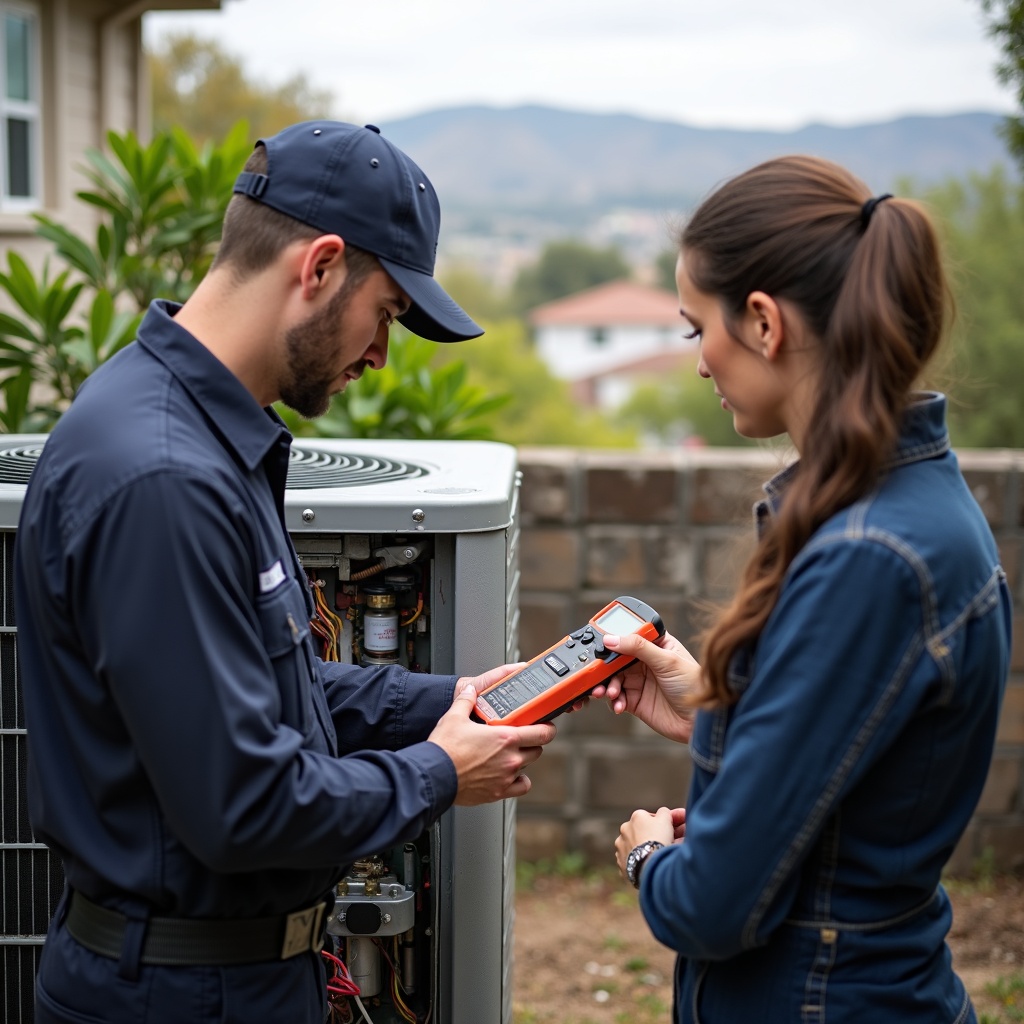
Certified technicians begin with a thorough electrical inspection. They’ll check all connections, tighten terminals, measure voltage and amperage, and test capacitors and contactors. Electrical issues cause the majority of unexpected system failures, and these components naturally degrade over time. Catching failing parts during spring maintenance prevents mid-summer breakdowns when temperatures soar into triple digits.
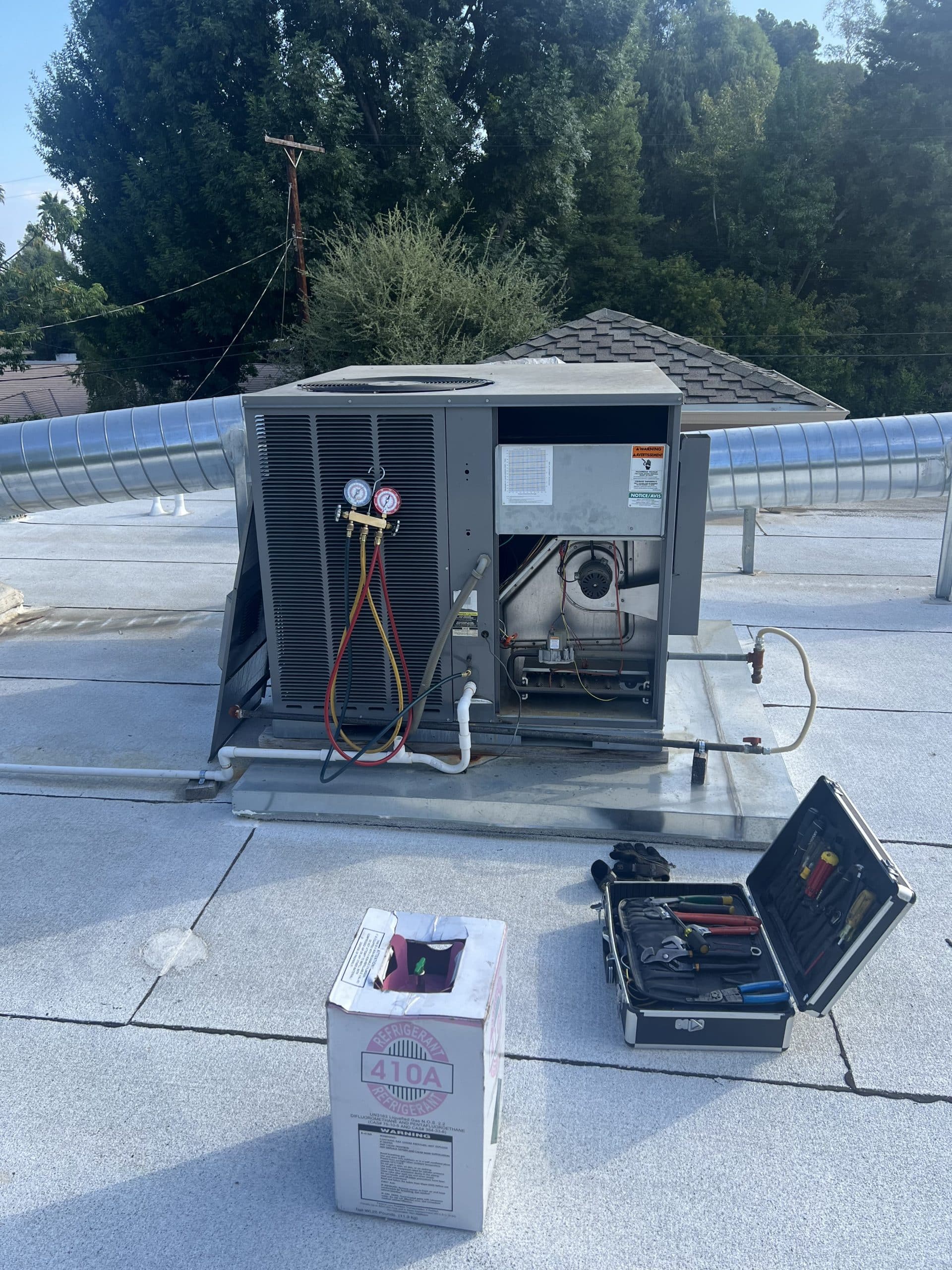
Refrigerant level assessment is another critical professional task. Technicians use specialized gauges to measure refrigerant pressures and verify your system operates at manufacturer specifications. Low refrigerant indicates a leak that must be repaired—simply adding refrigerant without addressing the leak wastes money and harms the environment. Proper refrigerant charge ensures optimal cooling capacity and efficiency, directly impacting your summer utility bills.
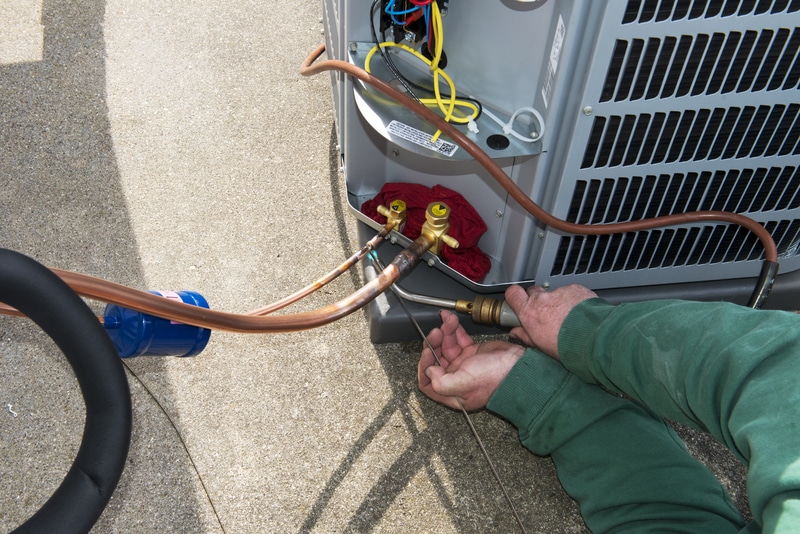
Deep coil cleaning goes far beyond homeowner-accessible maintenance. Professionals use specialized cleaners and techniques to remove stubborn buildup from both evaporator coils (inside your home) and condenser coils (outdoor unit). Clean coils transfer heat effectively, while dirty coils force your system to work harder, consume more energy, and deliver less cooling. In Burbank’s dust-prone climate, professional coil cleaning should occur annually.
Technicians also calibrate thermostats, lubricate moving parts where applicable, inspect and clean blower components, verify proper airflow measurements, test safety controls, and check condensate drain systems thoroughly. This comprehensive approach identifies developing problems before they become failures, extending equipment lifespan while maintaining peak efficiency throughout the demanding cooling season.
Your Month-by-Month Spring Preparation Timeline
Timing your spring maintenance activities strategically ensures your system is ready when Burbank temperatures begin their rapid climb. Follow this timeline to stay ahead of the season.
Early March marks the beginning of your preparation window. Review last summer’s performance—did you notice any issues like insufficient cooling, unusual sounds, or higher utility bills? Schedule your professional tune-up for late March or early April. Spring scheduling offers multiple advantages: technicians have more availability for thorough service, you’ll often find promotional pricing before peak season rates take effect, and you’ll avoid the rush that begins once the first heat wave hits.
Mid-March is the ideal time to complete your DIY checklist items. Change filters, clean around your outdoor unit, inspect vents, and test your thermostat. Take photos of your equipment and note any concerning observations to share with your technician during the professional visit. If you’re considering upgrading to a programmable or smart thermostat, spring installation allows you to familiarize yourself with features before you’re dependent on the system for daily comfort.
By early April, your professional tune-up should be completed. Review the technician’s findings carefully. If they identified components nearing end-of-life or recommended repairs, address these promptly while parts are readily available and scheduling remains flexible. Waiting until failure occurs during peak summer often means delayed service and potentially higher emergency repair costs.
Late April through early May represents your final preparation window. Conduct a test run—set your thermostat to cooling mode on a warm afternoon and let the system run for several hours. Monitor performance: Does every room cool adequately? Do you notice any unusual sounds or odors? Is the system cycling appropriately? This trial run under moderate conditions reveals issues you can still address before extreme heat arrives.
Homeowners in areas like Downtown Burbank and the Media District should also consider their backup plans. Program important numbers into your phone, including ACE Appliance Heating and Cooling at (818) 939-4882, so you’re prepared if unexpected issues arise despite your preparation efforts.
Maximizing Efficiency and Reducing Summer Cooling Costs
Proper spring maintenance directly impacts your cooling expenses throughout Burbank’s extended summer. Understanding the connection between maintenance and efficiency helps you see spring tune-ups as an investment rather than an expense.
Well-maintained systems achieve 15-20% greater efficiency compared to neglected equipment. For a typical Burbank household spending $200-300 monthly on summer cooling, this translates to $30-60 in monthly savings—$180-360 over a six-month cooling season. The cost of annual maintenance typically pays for itself through these efficiency gains alone, while also providing breakdown protection, extending equipment life, and maintaining warranty coverage.
Beyond professional maintenance, several additional strategies further reduce cooling costs. Consider scheduling an annual AC maintenance plan that includes priority service, discounted repairs, and regular filter replacements. These programs ensure you never miss critical maintenance while spreading costs predictably throughout the year.
Audit your home’s thermal envelope during spring. Check weatherstripping around doors, inspect window seals, and consider adding insulation to attics if needed. Burbank’s older homes in neighborhoods like Magnolia Park often benefit significantly from these upgrades, which complement HVAC efficiency by reducing the cooling load your system must handle.
Ceiling fans deserve attention too. Verify all fans rotate counterclockwise during summer months, creating the downdraft that enhances comfort while allowing you to raise thermostat settings by several degrees without sacrificing comfort. Clean fan blades and check that mounting hardware remains secure.
Your outdoor unit’s location affects efficiency. If your condenser sits in direct afternoon sun, consider installing a shade structure (maintaining proper clearances) to reduce the temperature differential the system must overcome. Units operating in cooler microclimates work less hard to dissipate heat, consuming less energy.
For comprehensive information about maintaining peak efficiency year-round, explore our detailed guides on air conditioning services and seasonal maintenance strategies.
Your Printable Spring HVAC Preparation Checklist
**HOMEOWNER TASKS (Complete by Early April):**
✓ Replace or clean all air filters throughout the home
✓ Clear debris from around outdoor condensing unit
✓ Trim vegetation to maintain 24-inch clearance
✓ Rinse outdoor coils gently with garden hose
✓ Vacuum all supply and return vents
✓ Verify no furniture or items block vents
✓ Test thermostat response in cooling mode
✓ Pour diluted bleach into condensate drain line
✓ Inspect visible ductwork for damage or disconnections
✓ Note any unusual sounds, odors, or performance issues
**PROFESSIONAL SERVICE ITEMS (Schedule for Late March/Early April):**
✓ Complete electrical system inspection and testing
✓ Measure and adjust refrigerant levels if needed
✓ Deep clean evaporator and condenser coils
✓ Calibrate thermostat for accurate temperature control
✓ Lubricate motors and bearings where applicable
✓ Inspect and clean blower assembly components
✓ Verify proper airflow measurements throughout system
✓ Test all safety controls and limit switches
✓ Clear and treat condensate drain system
✓ Check and tighten all electrical connections
✓ Measure operating temperatures and pressures
✓ Inspect ductwork for leaks or damage
✓ Provide written report of findings and recommendations
**FOLLOW-UP ACTIONS (Complete by Early May):**
✓ Address any repairs recommended during professional service
✓ Conduct test run on a warm afternoon
✓ Monitor system performance in all rooms
✓ Program thermostat for summer schedule
✓ Verify emergency service contact information
✓ Document baseline utility usage for summer comparison
Burbank homeowners who complete this comprehensive checklist position themselves for a comfortable, efficient summer season. The investment in spring preparation—typically 2-3 hours of homeowner time and one professional service visit—prevents the majority of summer cooling problems while maximizing system efficiency and equipment lifespan. Don’t wait until the first heat wave to discover your system isn’t ready for summer demands.
Get Your Free Quote Today