Gas Furnace Repair in a Woodland Hills Closet Installation
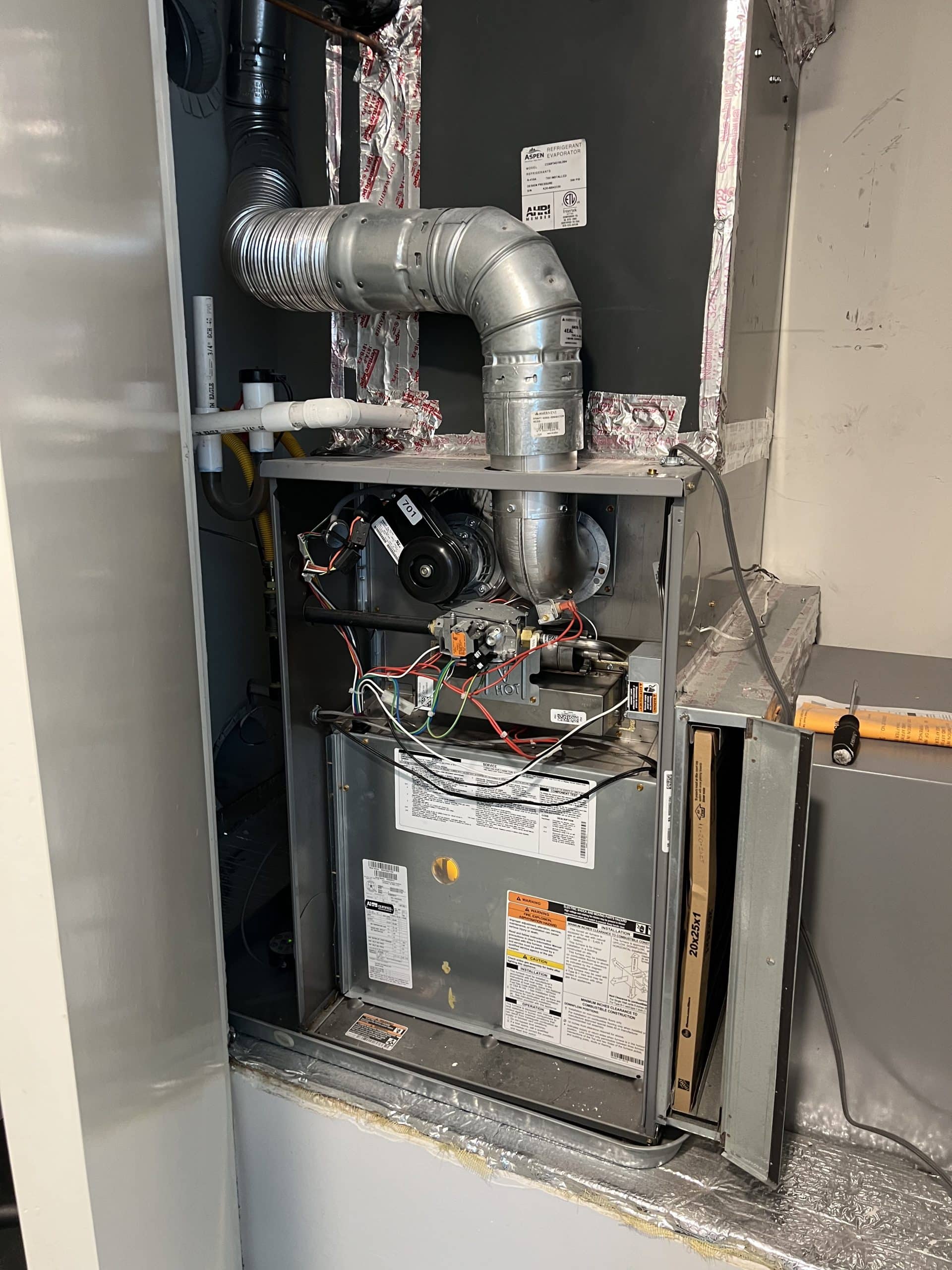
Many homes in Woodland Hills have their gas furnace and evaporator coil installed inside an interior utility closet rather than in a garage, attic, or crawlspace. This closet-installed upflow configuration is common in condominiums, townhomes, and single-story homes throughout the San Fernando Valley where space is limited and attic installations are not practical. While closet installations keep the equipment out of sight and protected from outdoor elements, they also create unique challenges for both maintenance and repair. The tight working space, proximity to living areas, and the way the furnace, evaporator coil, ductwork, gas line, and drain lines are all packed into a confined area mean that even routine service requires a technician who is experienced with these specific configurations.
Our Woodland Hills HVAC Repair team was called to a home where the gas furnace had stopped producing heat. The homeowner reported that the system would attempt to start but would shut down before the burners ignited. After removing the front access panel, our technician performed a complete diagnostic evaluation of the furnace, inspecting the inducer motor, gas valve, ignition system, flame sensor, wiring connections, and control board to identify the cause of the failure and restore heat to the home.
Understanding the Ignition Sequence in a Modern Gas Furnace
When a thermostat calls for heat, a modern gas furnace does not simply open the gas valve and light the burners. The system follows a precise startup sequence controlled by the circuit board, and each step must complete successfully before the next one begins. Understanding this sequence is important because a furnace that shuts down before producing heat has typically failed at one specific step in this chain. The standard ignition sequence includes:
If any step in this sequence fails, the control board locks out the system as a safety precaution. A technician who understands this sequence can often determine the point of failure by observing how far the furnace gets before shutting down, which dramatically narrows down the list of potential causes.
Common Causes of Furnace Failure in Woodland Hills Homes
Because Woodland Hills experiences mild winters compared to colder climates, many homeowners only discover furnace problems when the first significant cold snap arrives and the system has been sitting idle for months. A furnace that has not run since the previous winter may fail due to issues that developed during the long dormant period. The most frequent causes of failure we see in Woodland Hills furnace service calls include:
The flame sensor is by far the most common cause of furnace lockout in homes where the system sits idle for extended periods. Oxidation builds up on the sensor rod during the off-season, and when the furnace finally fires, the sensor cannot detect the flame properly. This is a quick and affordable repair when caught early, but many homeowners mistake the symptom for a much larger problem.
Challenges of Servicing a Closet-Installed Furnace
Working on a furnace installed in a utility closet presents challenges that do not exist when the same equipment is in a garage or basement with open space around it. The technician must work within inches of the gas line, condensate drain, refrigerant lines running to the Aspen evaporator coil above, and the exhaust vent pipe, all while carefully handling sensitive components like the gas valve and control board wiring. The tight quarters also make it harder to use diagnostic tools, reach fasteners behind components, and position test meters where they need to be.
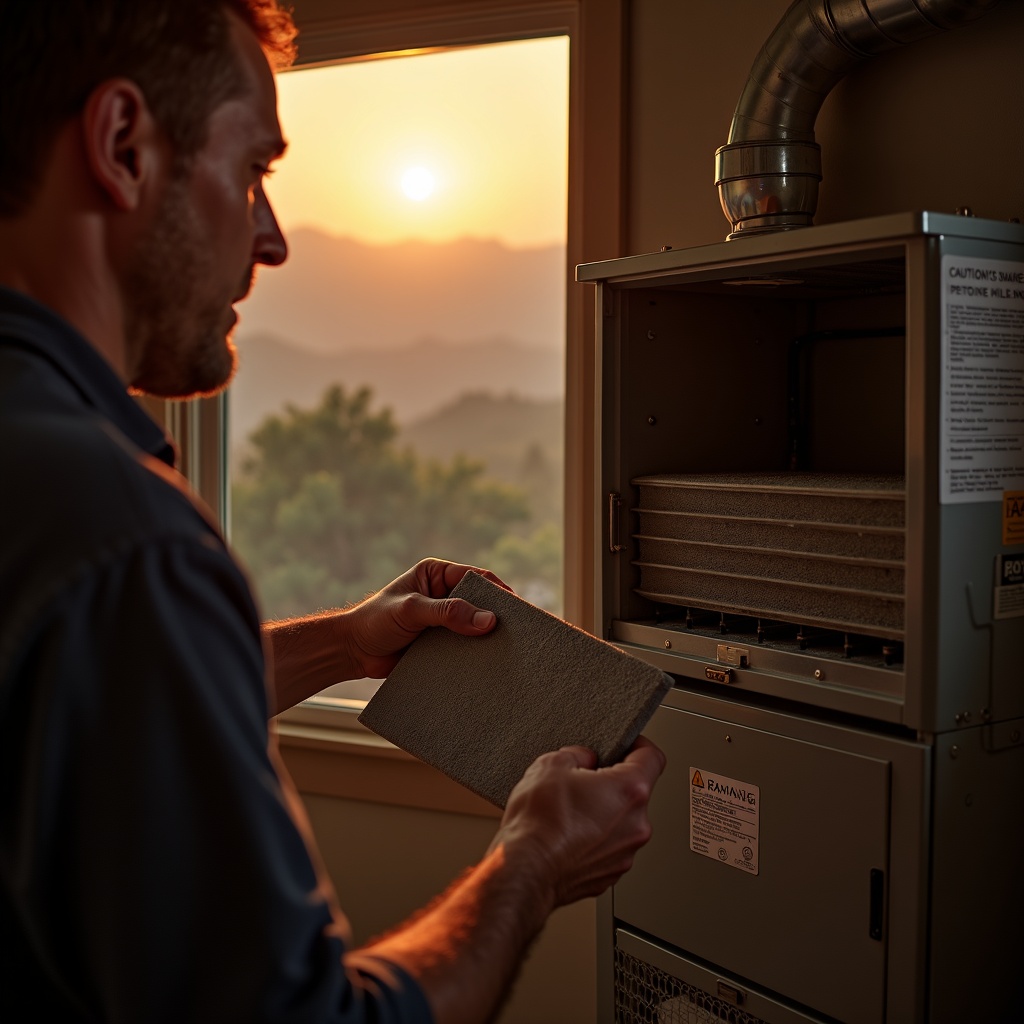
In Woodland Hills, closet-installed furnaces also face an air quality factor that garage or attic units do not. Interior dust, pet hair, cooking residue, and household contaminants are pulled directly through the return air filter and into the system. If the filter is not changed regularly, these particles coat the flame sensor, restrict airflow across the heat exchanger, and can even affect the inducer motor bearings over time. A 20x25x1 filter, which is the standard size in many Woodland Hills closet installations, should be replaced every 30 to 60 days during the heating season to protect the system and maintain safe, efficient operation.
Trusted Furnace Repair in Woodland Hills
If your furnace is failing to ignite, shutting down mid-cycle, blowing cold air, or making unusual noises, professional diagnosis is the safest way to identify and resolve the problem. ACE Appliance Heating & Cooling provides expert gas furnace repair and maintenance throughout Woodland Hills, including closet-installed systems that require specialized experience to service safely. Our technicians understand the ignition sequence, safety controls, and gas system requirements that keep your furnace running reliably and your family safe.
Call us today at (818) 939-4882 for fast, reliable local service.
Woodland Hills FAQ’s – Gas Furnace Repair
Get Your Free Quote Today