The Overlooked Dangers When Your Simi Valley AC Stops Cooling
📋 In This Guide
- ▸Refrigerant Leak Dangers: The Silent Toxin in Your Home
- ▸Electrical Hazards: Fire Risks From Overworked AC Components
- ▸Heat-Related Health Emergencies: When Indoor Temperatures Become Dangerous
- ▸Carbon Monoxide Concerns: When Warm Air Signals System Failures
- ▸Mold and Indoor Air Quality Threats From AC Malfunctions
- ▸Preventing AC Safety Emergencies: Maintenance Strategies for Simi Valley Homes
When temperatures soar across Simi Valley’s established neighborhoods like Wood Ranch and Big Sky, discovering your air conditioner blowing warm air feels like more than an inconvenience—it can quickly become a health emergency. What many Simi Valley homeowners don’t realize is that a malfunctioning AC unit poses serious safety risks beyond just discomfort. From refrigerant exposure to electrical hazards and heat-related health crises, the dangers of ignoring warm air from your AC extend far beyond a higher utility bill.
With over 125,000 residents relying on air conditioning through Simi Valley’s brutal summer heat, understanding these hidden safety risks isn’t just about protecting your $760,000 investment—it’s about safeguarding your family. The combination of Simi Valley’s dry, dusty environment near the Santa Susana Field Laboratory and our region’s extreme temperature swings creates unique challenges that accelerate AC problems and intensify their associated dangers.
At ACE Appliance Heating and Cooling, we’ve served Simi Valley’s 93065, 93062, and 93063 ZIP codes for years, and we’ve witnessed firsthand how seemingly minor AC issues can escalate into genuine safety emergencies. This guide reveals the overlooked hazards that come with warm air from your AC system and explains when to take immediate action by calling (805) 696-6263.
Refrigerant Leak Dangers: The Silent Toxin in Your Home
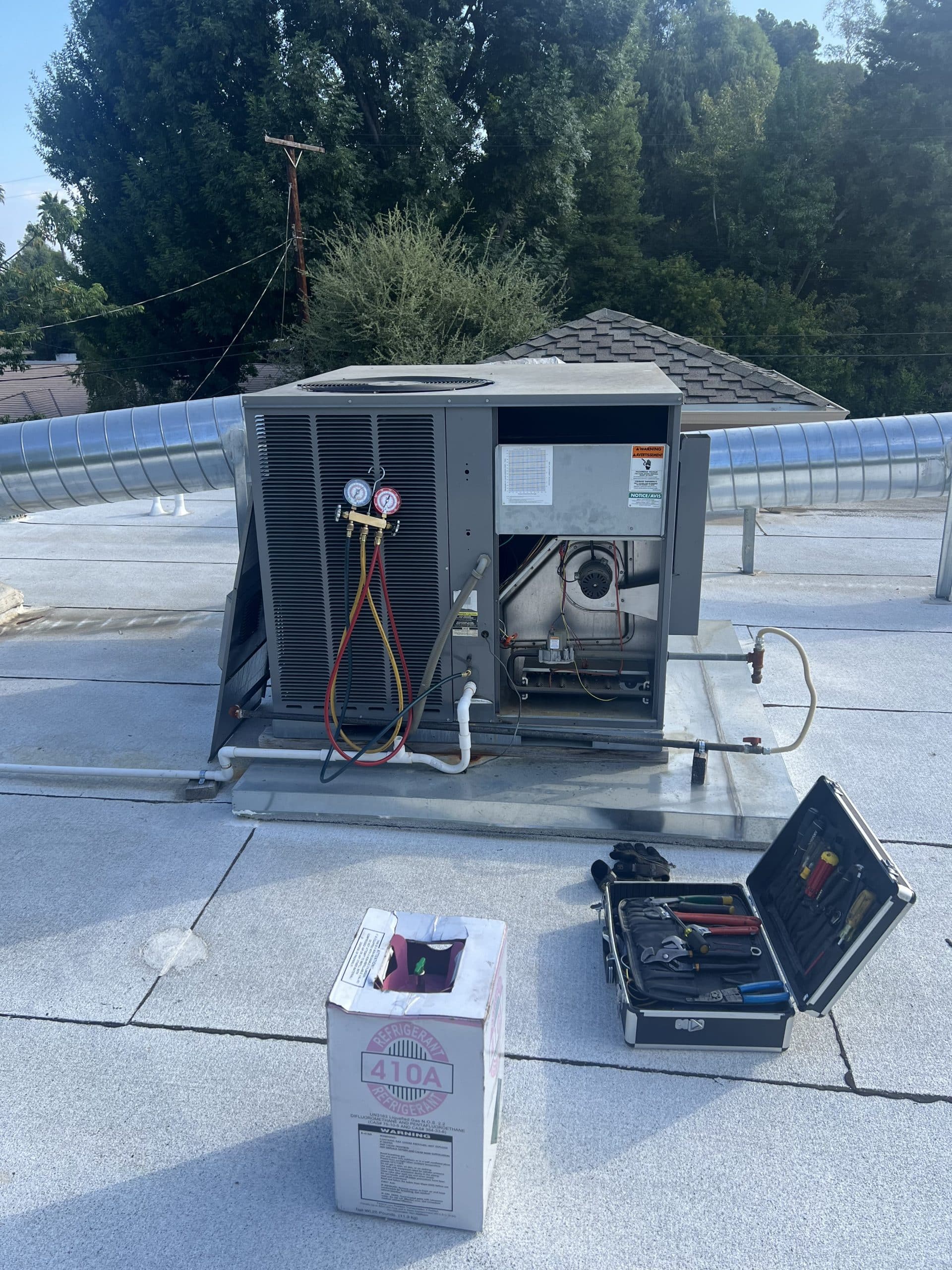
When your AC blows warm air, one of the most dangerous culprits is a refrigerant leak—a problem that poses genuine health risks to Simi Valley families. Refrigerant isn’t just expensive to replace; it’s potentially toxic when released into your home’s air supply.
Modern refrigerants like R-410A can displace oxygen in enclosed spaces, causing dizziness, rapid heartbeat, and in extreme cases, loss of consciousness. Older systems still using R-22 (Freon) present even greater risks, as this chemical can break down into toxic compounds when exposed to high heat or open flames. In Simi Valley’s wood-burning homes—particularly in areas like Texas Tract and Bridle Path where fireplaces are common—this combination becomes especially hazardous.
Warning signs of refrigerant exposure include unexplained headaches, nausea, breathing difficulty, and a sweet, chemical odor near your AC unit. If you notice hissing sounds from your system, ice buildup on refrigerant lines, or oily residue around connections, you’re likely dealing with a leak. Never attempt DIY refrigerant repairs—handling refrigerants requires EPA certification for good reason.
Professional AC repair in Simi Valley includes proper leak detection, safe refrigerant recovery, repairs using approved methods, and system recharging to manufacturer specifications. Costs typically range from $400-$1,500 depending on leak location and severity, but the investment protects your family from potentially serious health consequences.
Electrical Hazards: Fire Risks From Overworked AC Components
An AC system struggling to cool your home doesn’t just waste energy—it creates serious fire hazards throughout your electrical system. When components work harder than designed, electrical connections overheat, insulation deteriorates, and the risk of electrical fires increases dramatically.
Simi Valley’s extreme summer temperatures push AC systems to their limits, and when coupled with equipment malfunction, the electrical draw can exceed safe parameters. Homeowners in established neighborhoods with older electrical panels face particular risk, as systems installed decades ago weren’t designed for today’s cooling demands.
Dangerous warning signs include burning smells from vents or the outdoor unit, frequently tripping circuit breakers, flickering lights when the AC cycles on, discolored or warm electrical outlets near your HVAC equipment, and scorched wiring or connections visible at the breaker panel. If you notice any of these symptoms, shut down your system immediately and contact professional HVAC services in Simi Valley.
Common electrical issues include failed capacitors that cause compressors to draw excessive current, deteriorated contactor connections creating resistance and heat, short circuits in damaged wiring, and failing motors pulling dangerous amperage levels. Professional electricians specializing in HVAC systems can identify these hazards before they cause fires, with typical electrical repairs ranging from $200-$800 depending on component replacement needs.
Preventive measures include annual electrical inspections as part of routine maintenance, thermal imaging to detect hot connections before failure, and upgrading electrical panels in homes over 30 years old—a worthwhile investment for Simi Valley’s middle-income homeowners balancing safety with value.
Heat-Related Health Emergencies: When Indoor Temperatures Become Dangerous
While most Simi Valley residents recognize outdoor heat dangers, fewer understand that indoor heat exposure during AC failure can be equally life-threatening—especially for vulnerable populations including elderly residents, young children, individuals with chronic health conditions, and pets.
When your AC blows warm air instead of cooling, indoor temperatures can rapidly climb to dangerous levels. Simi Valley’s typical summer temperatures frequently exceed 95°F, and without functioning air conditioning, indoor temperatures can reach 85-100°F within hours. At these temperatures, heat exhaustion and heat stroke become real possibilities.
Heat exhaustion symptoms include heavy sweating, weakness or fatigue, dizziness or fainting, nausea, headache, muscle cramps, and rapid pulse. Heat stroke—a medical emergency—presents with body temperature above 103°F, hot dry skin or profuse sweating, confusion or altered mental state, seizures, and loss of consciousness. If anyone exhibits heat stroke symptoms, call 911 immediately while moving them to a cooler location.
Vulnerable populations face heightened risk because aging reduces the body’s ability to regulate temperature, medications can impair heat response, chronic conditions stress cardiovascular systems further in heat, and young children’s bodies overheat faster than adults’. During AC failures, check on elderly neighbors in Simi Valley’s established communities—this simple act can save lives.
Immediate safety steps include moving vulnerable family members to air-conditioned spaces (shopping centers, libraries, or neighbors’ homes), using fans with ice or cool wet towels to lower body temperature, ensuring constant hydration with water or electrolyte drinks, closing blinds and curtains to block heat gain, and calling (805) 696-6263 for emergency AC repair. Many Simi Valley families also keep portable AC units or fans as backup cooling during repairs—a practical approach for this value-conscious community.
Carbon Monoxide Concerns: When Warm Air Signals System Failures
While AC systems themselves don’t produce carbon monoxide, warm air from your vents can indicate broader HVAC system failures that do create CO risks—particularly in homes with combined heating and cooling systems or nearby gas furnaces.
Carbon monoxide is an odorless, colorless gas that kills without warning. In Simi Valley homes where HVAC systems share components between heating and cooling, AC malfunctions can indicate compromised heat exchangers or failed safety controls that allow CO buildup during subsequent heating season operation.
Potential CO risk scenarios include cracked heat exchangers that go undetected until heating season, malfunctioning safety controls that should shut down dangerous conditions, backdrafting from negative air pressure when AC systems fail, and improper repairs that compromise combustion safety. If your AC blows warm air alongside gas furnace issues, treat this as a serious safety concern requiring immediate professional evaluation.
Protective measures for every Simi Valley home include installing CO detectors on every floor and near sleeping areas, testing detectors monthly and replacing batteries annually, scheduling comprehensive annual AC maintenance that includes furnace inspection, and never ignoring CO detector alarms—evacuate immediately and call emergency services. Even if your AC problem seems isolated to cooling, comprehensive system evaluation protects against hidden dangers that could manifest when you switch to heating.
Mold and Indoor Air Quality Threats From AC Malfunctions
When your Simi Valley AC blows warm air, it’s not just failing to cool—it’s also failing to dehumidify, creating perfect conditions for dangerous mold growth and indoor air quality deterioration that poses serious health risks.
Air conditioning systems remove moisture as they cool, typically maintaining indoor humidity between 30-50%. When AC systems malfunction, humidity levels can quickly climb to 60-70% or higher, especially during Simi Valley’s occasional humid conditions. At these levels, mold can colonize surfaces within 24-48 hours.
Mold exposure causes respiratory problems including coughing, wheezing, and asthma attacks, allergic reactions from mild irritation to severe responses, infections in immunocompromised individuals, and toxic reactions from certain mold species. Vulnerable populations—children, elderly residents, and those with respiratory conditions—face heightened risks from mold exposure.
High-risk mold growth areas during AC failures include air handler compartments and ductwork, where moisture accumulates, drip pans and drain lines that may already harbor growth, insulation around AC components, walls and ceilings near vents where condensation occurs, and stored belongings in poorly ventilated spaces. Simi Valley’s dusty environment compounds this problem, as dust particles provide nutrients for mold colonization.
Preventing mold during AC failures requires running dehumidifiers if available, using fans to maintain air circulation even without cooling, addressing any visible moisture or condensation immediately, and arranging prompt professional repairs to restore dehumidification function. Once your AC is repaired, consider professional ductwork services including inspection and cleaning if mold growth occurred during the malfunction period. Professional duct cleaning typically costs $400-$1,000 for Simi Valley’s mid-range homes but removes health hazards and prevents contamination recirculation.
Preventing AC Safety Emergencies: Maintenance Strategies for Simi Valley Homes
The best approach to AC safety risks is prevention through proper maintenance tailored to Simi Valley’s unique environmental challenges. Our region’s dust from surrounding hills, temperature extremes, and aging housing stock require proactive strategies that balance effectiveness with the cost-conscious approach typical of our middle-income community.
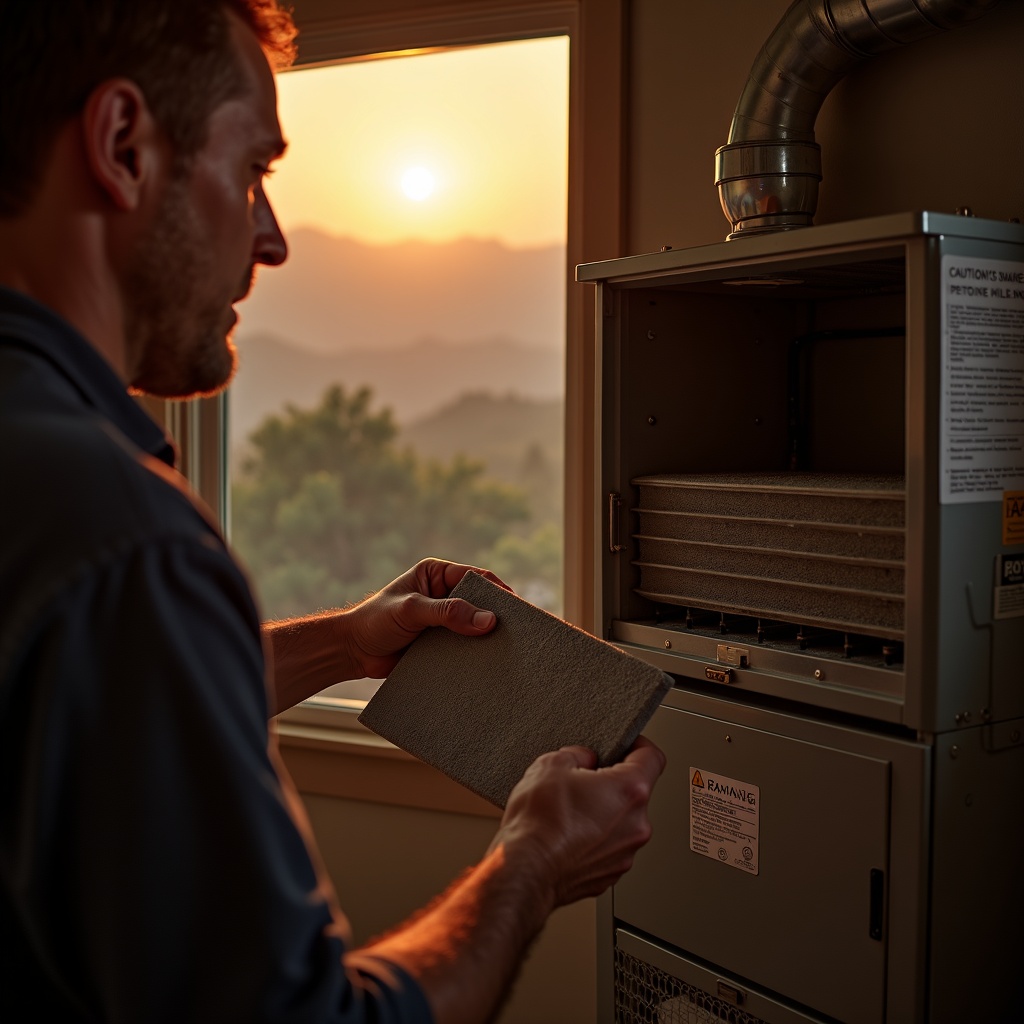
Essential seasonal maintenance includes replacing filters monthly during cooling season in Simi Valley’s dusty environment (rather than the typical quarterly schedule), scheduling professional spring tune-ups before peak cooling season, clearing vegetation and debris from outdoor units regularly, inspecting visible ductwork for damage or disconnections, and testing thermostat function and calibration periodically.
Professional maintenance visits should include comprehensive safety inspections covering electrical connections and component amp draw, refrigerant pressures and leak detection, condensate drain function and biological growth, airflow measurements and duct integrity, and heat exchanger inspection if you have combined systems. At ACE Appliance Heating and Cooling, our $95 annual service includes all these safety checks plus performance optimization that prevents the failures causing warm air issues.
Investment in preventive maintenance delivers substantial returns by avoiding $500-$3,000 emergency repairs, preventing safety emergencies and associated costs, extending equipment lifespan by 5-10 years, maintaining efficiency and lower utility bills, and protecting your home’s value. For Simi Valley homeowners managing their practical approach to HVAC decisions, this represents smart financial planning alongside safety protection.
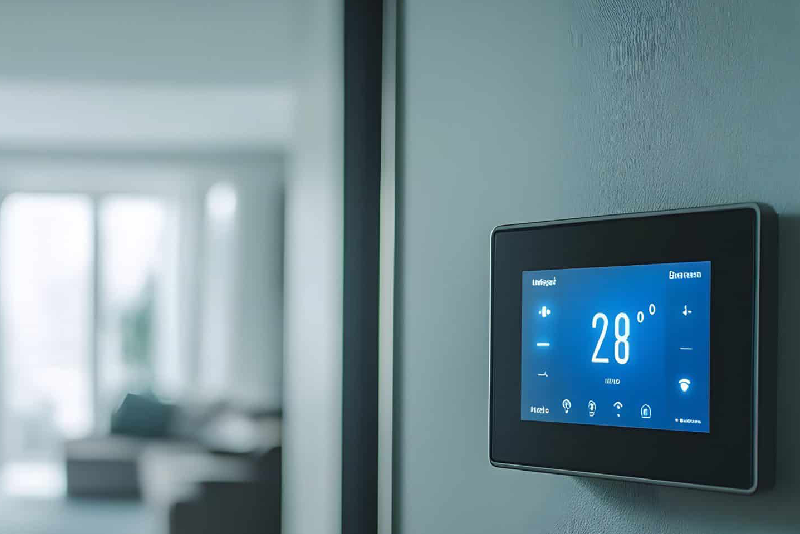
System upgrades worth considering include programmable or smart thermostats that reduce strain on equipment, whole-house surge protection for sensitive electronic controls, upgraded air filtration for improved safety and performance, and zoning systems for homes with hot spots—common in Simi Valley’s varied home layouts from ranch styles in Texas Tract to two-stories in Wood Ranch.
Regional considerations for Simi Valley maintenance include increased filter replacement frequency due to dust infiltration, protective covers for outdoor units during occasional windstorms, shade structures or strategic landscaping to reduce heat exposure on outdoor condensers, and attention to attic insulation which impacts AC performance in our climate. These localized strategies address the specific conditions that accelerate AC problems in our 93065, 93062, and 93063 communities.
When warm air from your AC signals potential safety hazards, don’t delay professional evaluation. Contact ACE Appliance Heating and Cooling at (805) 696-6263 for prompt, safety-focused service throughout Simi Valley and neighboring Moorpark, Thousand Oaks, and Chatsworth. Our experienced technicians prioritize your family’s safety while delivering the value-conscious service Simi Valley homeowners expect.
Get Your Free Quote Today