Why Spring Maintenance Is Non-Negotiable in Granada Hills

📋 In This Guide
For homeowners in Granada Hills North, Granada Hills South, and Knollwood, the transition from mild spring weather to scorching summer heat happens quickly—often catching air conditioning systems unprepared. With temperatures regularly climbing above 95°F from June through September, your AC unit doesn’t get a gradual warm-up period. It goes from occasional use to running 8-12 hours daily, sometimes overnight.
This dramatic shift in demand exposes any weaknesses in your system. A filter that seemed fine in March becomes a restriction by mid-May. Refrigerant levels that were adequate for April’s moderate temperatures prove insufficient when July arrives. For Granada Hills homeowners whose properties average $870,000 in value, protecting this critical home system isn’t just about comfort—it’s about preserving a significant investment in your property.
Spring maintenance allows you to identify and address these issues before they become emergency repairs during a heatwave. According to industry data, properly maintained systems operate 15-20% more efficiently than neglected units, directly impacting your summer energy bills. When you’re cooling a Granada Hills home through months of triple-digit heat, that efficiency difference translates to hundreds of dollars in savings. Professional HVAC services in Granada Hills can help ensure your system is ready for the demanding season ahead.
Your DIY Spring Maintenance Checklist (Complete by Early May)
Before scheduling professional service, Granada Hills homeowners can tackle several important maintenance tasks that improve system performance and help technicians work more efficiently during your tune-up.
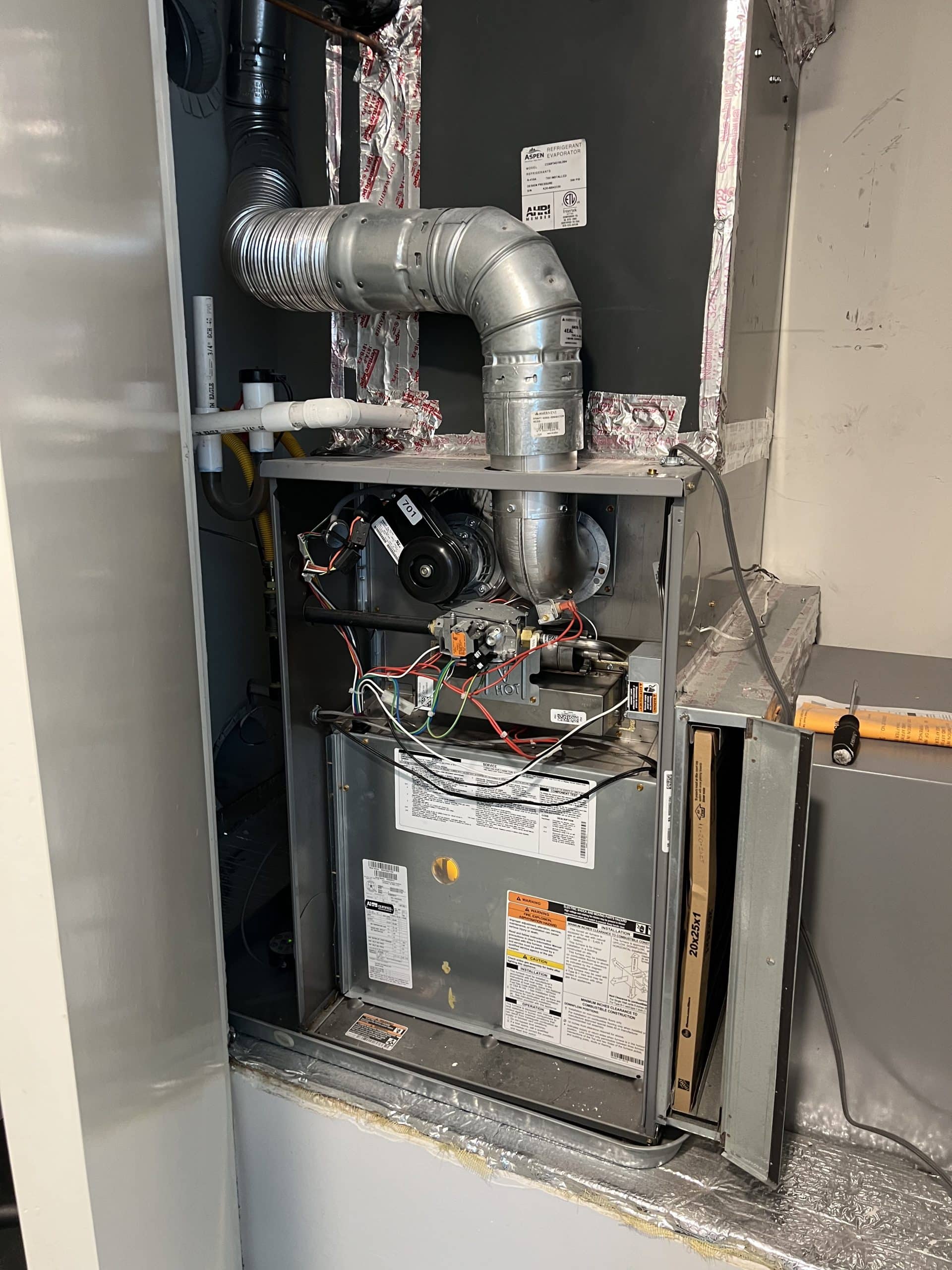
Filter Inspection and Replacement (Priority #1): Remove your air filter and hold it up to light. If you can’t see through it clearly, it needs replacement. For Granada Hills homes, consider upgrading to MERV 8-11 filters that capture the dust and pollen common in our area without restricting airflow. Replace filters every 30-60 days during cooling season, more frequently if you have pets or live near O’Melveny Park where outdoor activities increase dust infiltration.
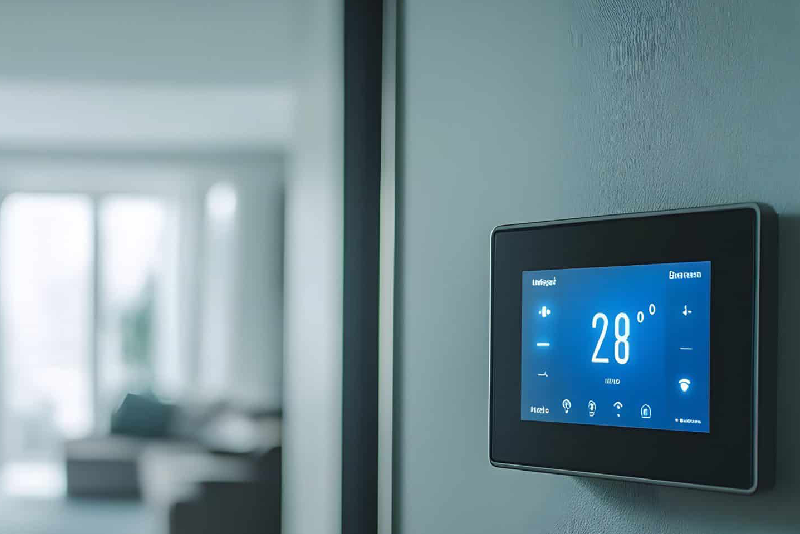
Thermostat Accuracy Check: Place a separate thermometer near your thermostat and compare readings. A difference of more than 2-3 degrees indicates calibration issues that waste energy. If you’re still using a manual thermostat, spring is the ideal time to upgrade to a programmable or smart model that can automatically adjust temperatures when you’re away.
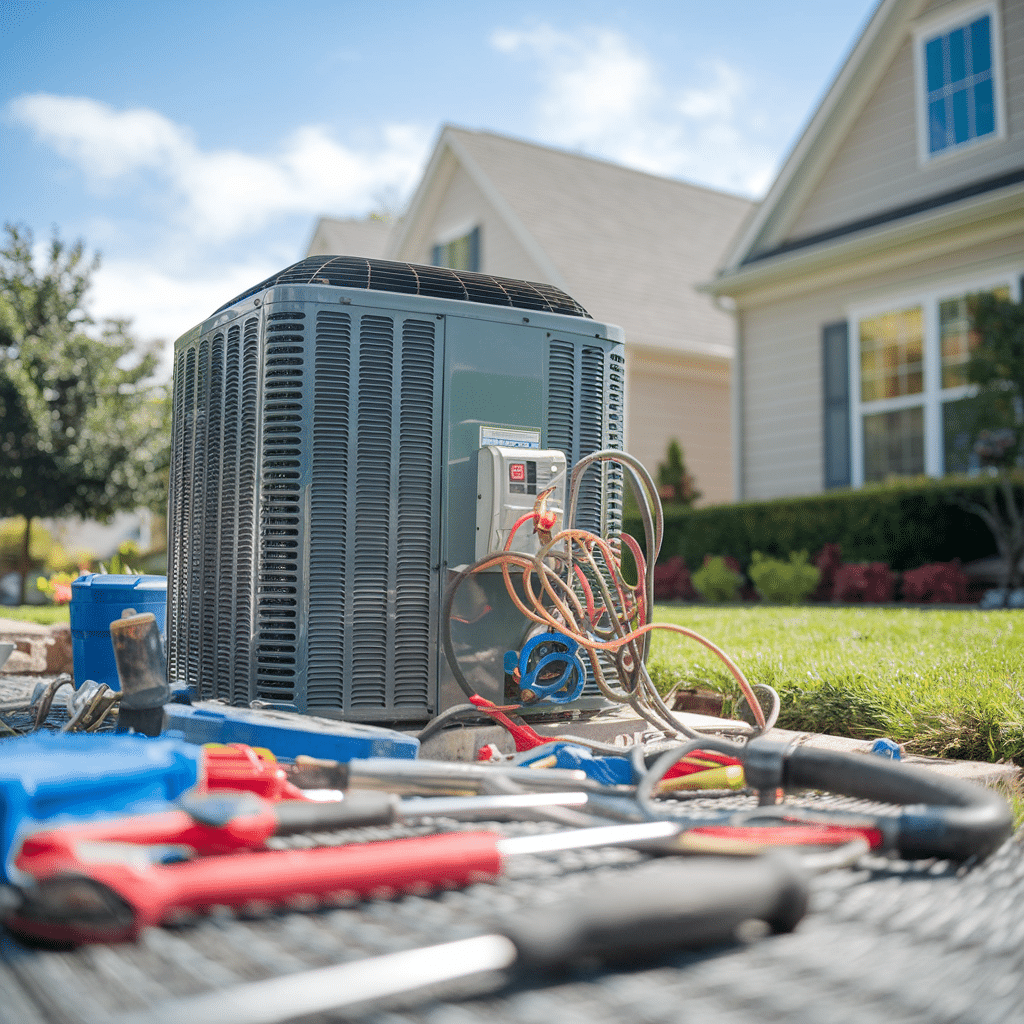
Outdoor Unit Clearance: Walk around your condenser unit and remove any debris, leaves, or vegetation within a two-foot radius. Granada Hills’ mature landscaping in neighborhoods like Knollwood can quickly encroach on outdoor units. Trim back bushes and branches, and gently spray off the exterior fins with a garden hose (never use a pressure washer, which can damage the delicate fins).
Vent and Register Inspection: Check every supply and return vent in your home. Remove any furniture, curtains, or storage items blocking airflow. Vacuum out dust buildup and ensure dampers open and close smoothly. This simple task can dramatically improve airflow and system efficiency.
Visual Inspection for Warning Signs: Look for rust spots on your outdoor unit, water stains near your indoor unit, unusual ice formation on refrigerant lines, or loose electrical connections at the disconnect box. Document these issues to discuss with your technician during professional service.
What Professional Spring Tune-Ups Include (Schedule by Mid-April)
While DIY maintenance is valuable, professional spring tune-ups address technical issues that require specialized tools and expertise. Annual AC maintenance from ACE Appliance Heating and Cooling provides comprehensive service that extends system life and prevents costly breakdowns.
Refrigerant Level Testing and Adjustment: Technicians use manifold gauges to measure refrigerant pressures and temperatures, ensuring your system has the exact charge specified by the manufacturer. Low refrigerant indicates a leak that must be repaired before recharging. In Granada Hills’ hot climate, proper refrigerant levels are critical for efficient cooling and preventing compressor damage.
Electrical System Inspection: Technicians test voltage and amperage at all major components, tighten electrical connections, inspect contactors and capacitors for wear, and test the condensate safety switch. Electrical failures are among the most common causes of summer breakdowns, and many can be prevented through spring inspection.
Condensate Drain Clearing: Your AC removes humidity from indoor air, producing gallons of condensate water daily. Technicians clear the drain line using specialized tools, treat it with algaecide tablets to prevent future clogs, and test the safety switch that shuts down your system if the drain backs up. A clogged condensate drain can cause water damage to your Granada Hills home and trigger emergency service calls.
Coil Cleaning and Inspection: Both indoor evaporator coils and outdoor condenser coils accumulate dirt that acts as insulation, reducing heat transfer efficiency. Professional cleaning restores optimal heat exchange, improving cooling capacity and reducing energy consumption. Technicians also inspect coils for corrosion or damage that could lead to refrigerant leaks.
Blower Motor and Belt Service: Technicians lubricate bearings, check belt tension and wear, measure airflow across the evaporator coil, and test the motor’s amp draw. Blower issues reduce airflow, making your home uncomfortable and forcing your system to run longer cycles.
Safety Control Testing: Modern AC systems include multiple safety controls that prevent equipment damage. Technicians test high and low pressure switches, verify proper compressor operation, check for proper refrigerant superheat and subcooling, and ensure all safety systems function correctly.
For homeowners in Granada Hills and neighboring Northridge, professional service typically takes 60-90 minutes and should be completed by mid-April to beat the rush of service calls that begins in May.
Your Spring Maintenance Timeline and Cost Savings Strategy
Timing your maintenance correctly maximizes value and ensures availability when you need service. Here’s the optimal schedule for Granada Hills homeowners:
Late March to Early April: Contact AC repair professionals in Granada Hills at (818) 939-4882 to schedule service. This period offers maximum flexibility for appointment times and allows technicians to work without time pressure. Many companies offer early-season discounts during this slower period.
Mid-April Deadline: Complete all maintenance before temperatures consistently reach the 80s. Once cooling season begins in earnest, service companies become booked solid, and you’ll face longer wait times and premium rates for urgent service.
Early May Testing Period: After maintenance is complete, run your system for several hours on a warm day to verify performance. If issues arise, you still have time to address them before peak summer heat arrives.
Cost-Benefit Analysis: Professional spring maintenance typically costs $95-150 for Granada Hills homeowners, depending on system complexity. This investment delivers measurable returns: 15-20% reduction in summer cooling costs (potentially $200-400 in savings), prevention of 80% of common summer breakdowns, extended equipment lifespan (properly maintained systems last 15-20 years versus 10-12 years for neglected units), and maintained manufacturer warranty compliance (most warranties require annual professional maintenance).
For a middle-income Granada Hills household, these savings justify the maintenance cost within a single cooling season, while the long-term benefits protect your substantial home investment.
Warning Signs That Require Immediate Attention Beyond Routine Maintenance
During your spring preparation, certain symptoms indicate problems that need immediate professional diagnosis rather than waiting for scheduled maintenance. If you notice weak airflow from vents, unusual noises like grinding, squealing, or banging, warm air blowing from vents when AC is running, moisture or water pooling around indoor or outdoor units, or frequent circuit breaker trips when the system starts, contact ACE Appliance Heating and Cooling at (818) 939-4882 immediately.
These symptoms often indicate failing components that will worsen rapidly once summer demand begins. Addressing them during spring allows for more economical repairs, better parts availability, and flexible scheduling—all advantages that disappear once Granada Hills enters peak cooling season.
For homes throughout Granada Hills’ 91344 ZIP code, from properties near Knollwood Country Club to family homes in Granada Hills South, spring maintenance isn’t optional—it’s essential preparation for the demanding summer months ahead. The combination of DIY diligence and professional HVAC expertise from ACE Appliance Heating and Cooling ensures your system delivers reliable, efficient cooling when you need it most, protecting both your comfort and your investment in your Granada Hills home.
Get Your Free Quote Today