Checking Freon Pressure on a Trane AC Unit in West Hills
When your air conditioning system starts blowing warm air, cycling on and off irregularly, or struggling to reach your thermostat setting, incorrect refrigerant pressure is often the underlying cause. Freon levels that are too low or too high directly affect how efficiently your AC compressor operates, and ignoring the problem can lead to compressor damage, frozen evaporator coils, or a complete system breakdown during the hottest months of the year. Having a qualified technician measure and evaluate your refrigerant pressures is the most reliable way to determine whether your system needs a recharge, a leak repair, or a component replacement.
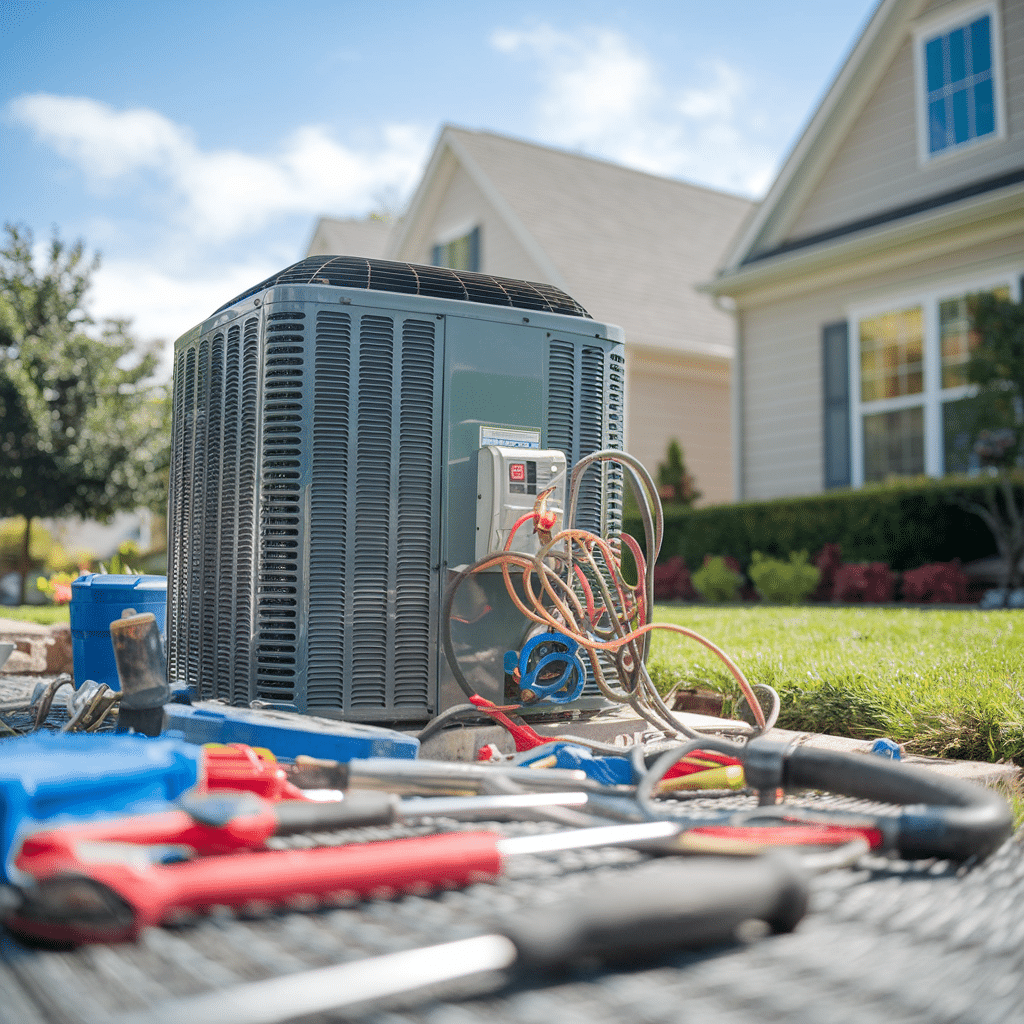
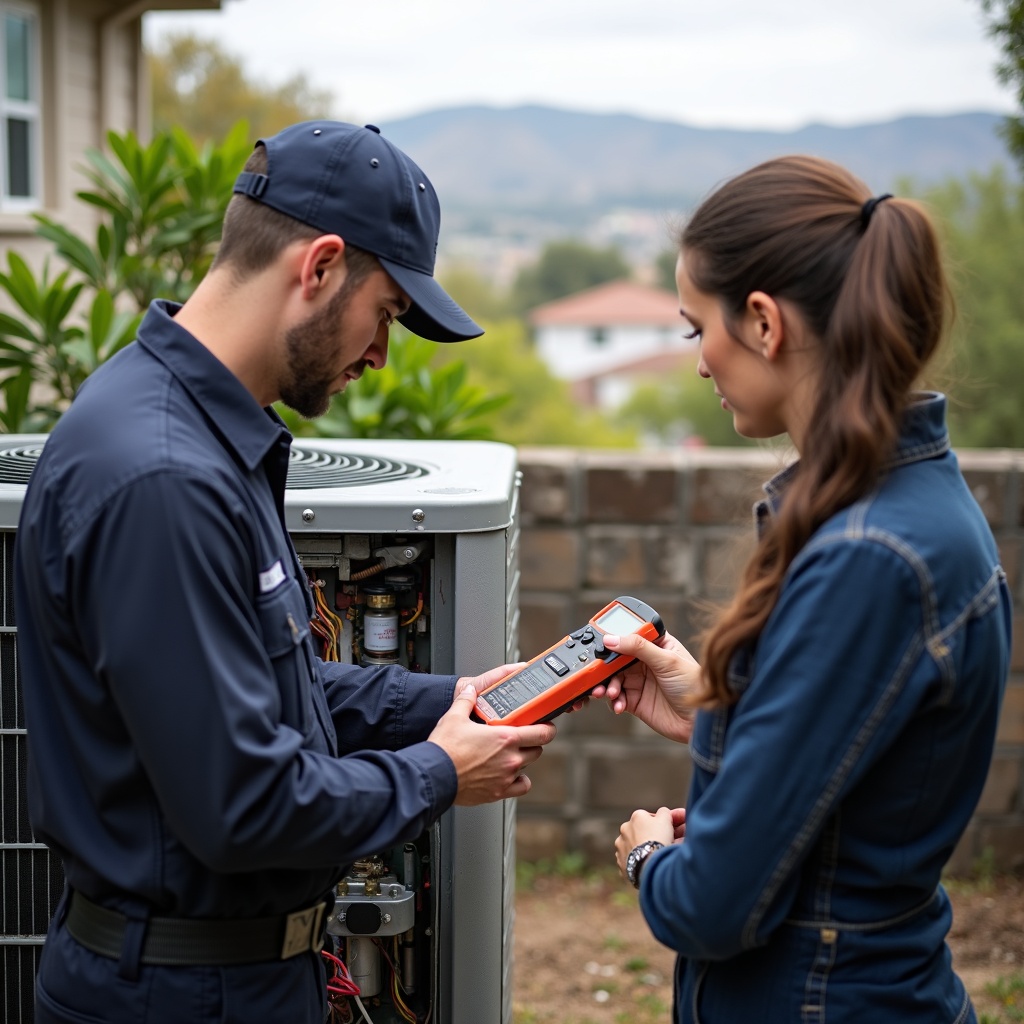
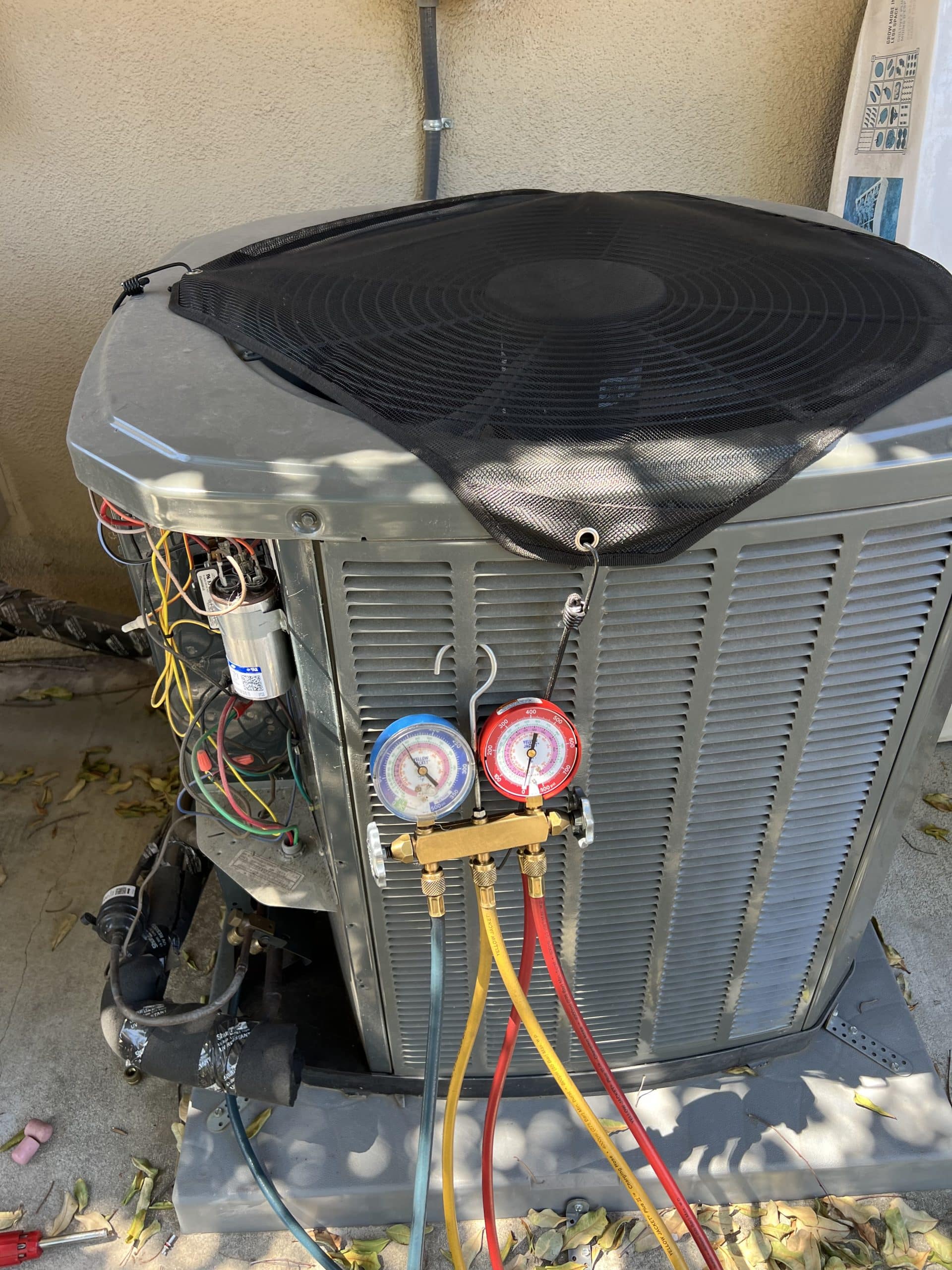
Our West Hills AC Repair team recently responded to a service call on a Trane central air conditioning unit that was not cooling properly. Using professional manifold gauges, our technician connected to the system service ports and measured both the high-side and low-side refrigerant pressures to pinpoint the exact condition of the refrigerant charge. This type of diagnostic work is essential for determining whether the system simply needs refrigerant added or whether a leak or mechanical failure is driving the performance issue.
Why Freon Pressure Matters for Your AC System
Refrigerant is the lifeblood of your air conditioning system. It absorbs heat from the indoor air, carries it outside through the condenser coils, and releases it into the surrounding environment. When refrigerant pressure falls outside the manufacturer-specified range, the entire cooling cycle is compromised. Low pressure typically indicates a refrigerant leak or restriction in the system, while high pressure can point to a failing condenser fan motor, dirty condenser coils, or an overcharged system. Either condition forces the compressor to work harder than it was designed to, which dramatically shortens its lifespan and increases your energy bills.
Signs Your Trane AC May Have a Freon Problem
Many homeowners in West Hills notice these warning signs before realizing their AC refrigerant is the root cause:
These symptoms are especially common in West Hills during the summer months when outdoor temperatures regularly exceed 100 degrees. The extreme heat forces air conditioning systems to work at maximum capacity, and even a slight refrigerant imbalance can cause noticeable performance problems.
What Happens During a Freon Pressure Check
When our technician arrives to check refrigerant pressure on a Trane AC system, the process involves several critical steps that go beyond simply attaching gauges. We connect a professional-grade manifold gauge set to the low-side and high-side service valves on the outdoor condensing unit. The blue gauge reads suction pressure on the low side, while the red gauge reads discharge pressure on the high side. Both readings are compared against the manufacturer specifications for your specific Trane model and the current outdoor ambient temperature.
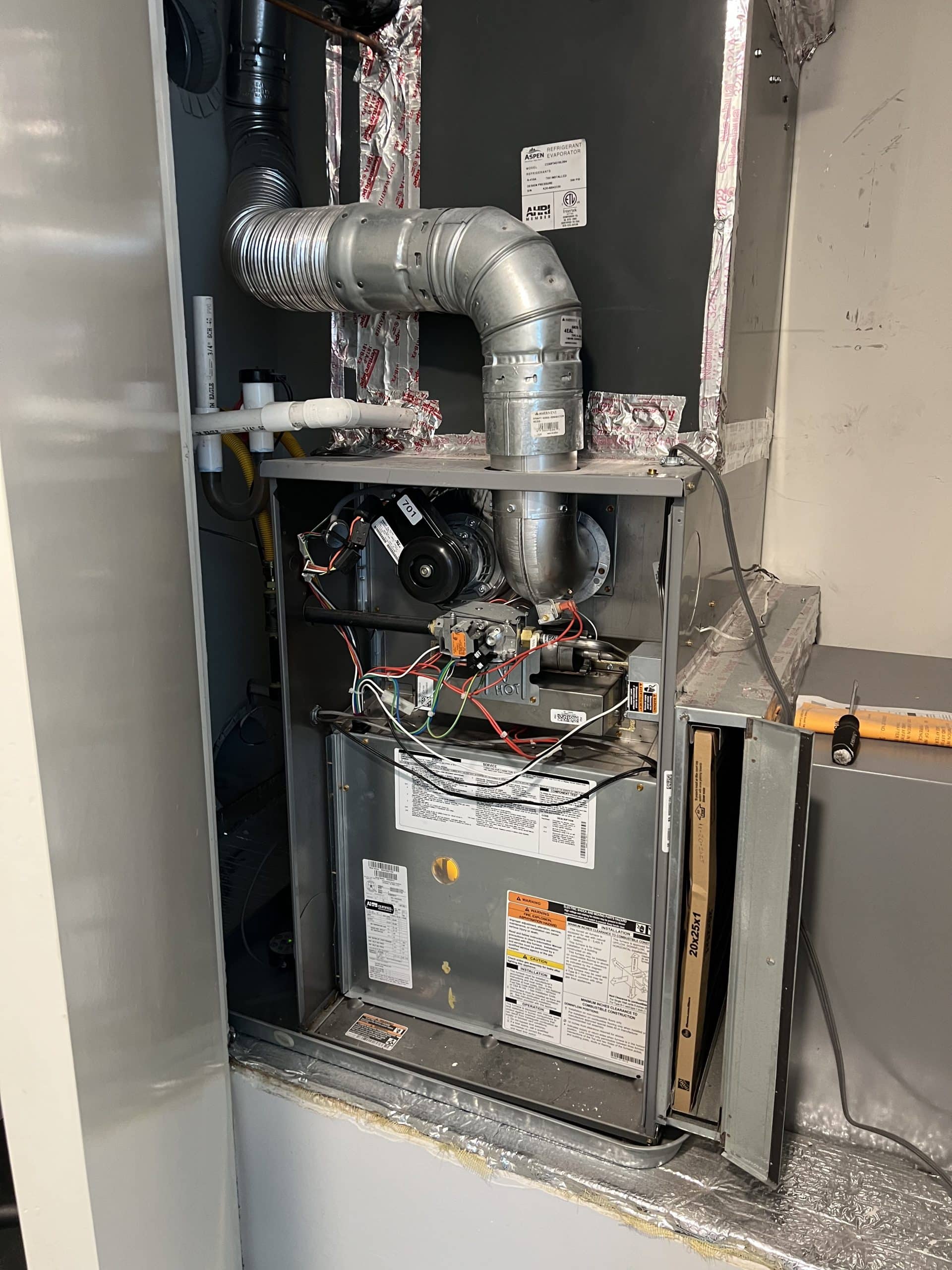
If the pressures fall outside the expected range, our technician investigates further. Low suction pressure combined with normal or low head pressure often points to a refrigerant leak or a restricted metering device. High head pressure with normal suction pressure may indicate a dirty condenser coil, a failing condenser fan motor, or airflow obstruction around the outdoor unit. We also inspect the electrical components, including the capacitor, contactor, and wiring connections, to rule out any secondary issues contributing to the cooling problem.
Consequences of Ignoring Low or High Refrigerant Pressure
Allowing your air conditioning system to operate with incorrect refrigerant pressure creates a chain of problems that get progressively more expensive to fix:
The compressor is the most costly component in your Trane air conditioning system. A professional Freon pressure check can identify refrigerant issues before they escalate into a compressor replacement that costs several thousand dollars.
Why West Hills Homes Are Especially Vulnerable
West Hills sits in the western San Fernando Valley where summer temperatures routinely climb above triple digits. This extreme heat puts tremendous strain on outdoor condensing units because the system must work against a higher ambient temperature to release heat from the refrigerant. Dust accumulation from the surrounding hillside terrain and dry Santa Ana wind conditions also coat condenser coils and restrict airflow, which raises head pressure and masks the true refrigerant charge level. Many West Hills homes also have aging Trane units that were installed when the neighborhood was developed, and years of thermal stress can weaken refrigerant line connections and create slow leaks that gradually reduce system performance over time.
Routine pressure checks and condenser coil cleaning help prevent these issues from compounding during the peak cooling season.
Trusted AC Repair and Freon Service in West Hills
If your air conditioning system is not cooling properly, running constantly, or showing signs of a refrigerant issue, professional diagnosis is the safest and most cost-effective next step. ACE Appliance Heating & Cooling provides expert AC repair, Freon pressure testing, and refrigerant recharge services throughout West Hills and the surrounding San Fernando Valley. Our technicians are experienced with Trane systems and all major brands, and we carry the tools and parts needed to resolve most issues on the first visit.
Call us today at (818) 939-4882 for fast, reliable local service.
West Hills FAQ’s – Checking Freon Pressure on a Trane AC
Get Your Free Quote Today