When 8 Months of Silence Turned Into a $4,200 Emergency
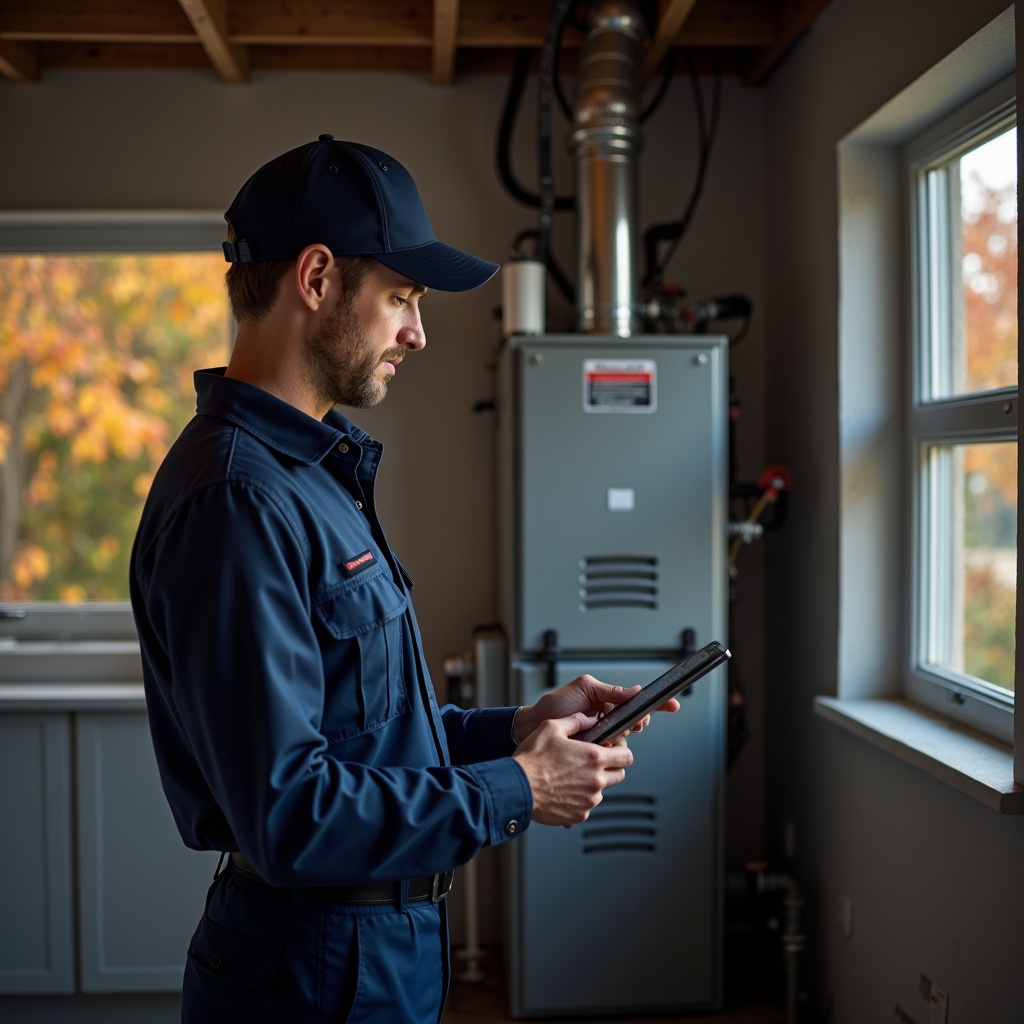
Last November, a homeowner in West Hills’ Stonegate Estates neighborhood turned on their furnace for the first time since the previous February. The system kicked on, ran for about 15 minutes, then shut down completely. When our technician arrived the next morning, he found a cracked heat exchanger—a problem that had developed gradually over months of sitting idle but only became dangerous when the homeowner tried to fire the system back up. The repair quote? $4,200. The preventable cost if they’d scheduled a simple fall inspection? Around $150. That’s the expensive reality of neglecting your heating system in Southern California, where furnaces sit unused for 8+ months and homeowners assume everything will work when cold weather finally arrives.
📋 In This Guide
💰 Typical Fall Maintenance Cost Ranges
- Professional furnace tune-up: $75–$200
- Air filter replacement (DIY): $15–$30
- Carbon monoxide detector (battery): $15–$50
- Thermostat calibration/repair: $100–$200
- Comprehensive annual maintenance plan: $150–$500
Start Your Fall Checklist in October (Before the Cold Snaps)
West Hills experiences its first genuine cold weather between late October and early November. Schedule HVAC maintenance in the fall before winter temperatures drop to avoid the rush when everyone’s furnace fails simultaneously during the first freeze. October offers ideal timing: Prices can be higher during peak heating seasons due to increased demand, but early fall gives you scheduling flexibility and better rates.
For homes in Valley Circle, Castle Peak, and Bell Canyon Adjacent areas—where properties average $950,000—protecting your heating investment makes financial sense. Systems that sit dormant through West Hills’ extended cooling season need professional attention before you depend on them. The extended idle period creates conditions where dust accumulates on burners, electrical connections corrode, and gas valves stick. None of these problems announce themselves until you try to start the system, often late at night when temperatures drop and emergency heating repair costs double.
DIY Tasks You Can Complete This Weekend
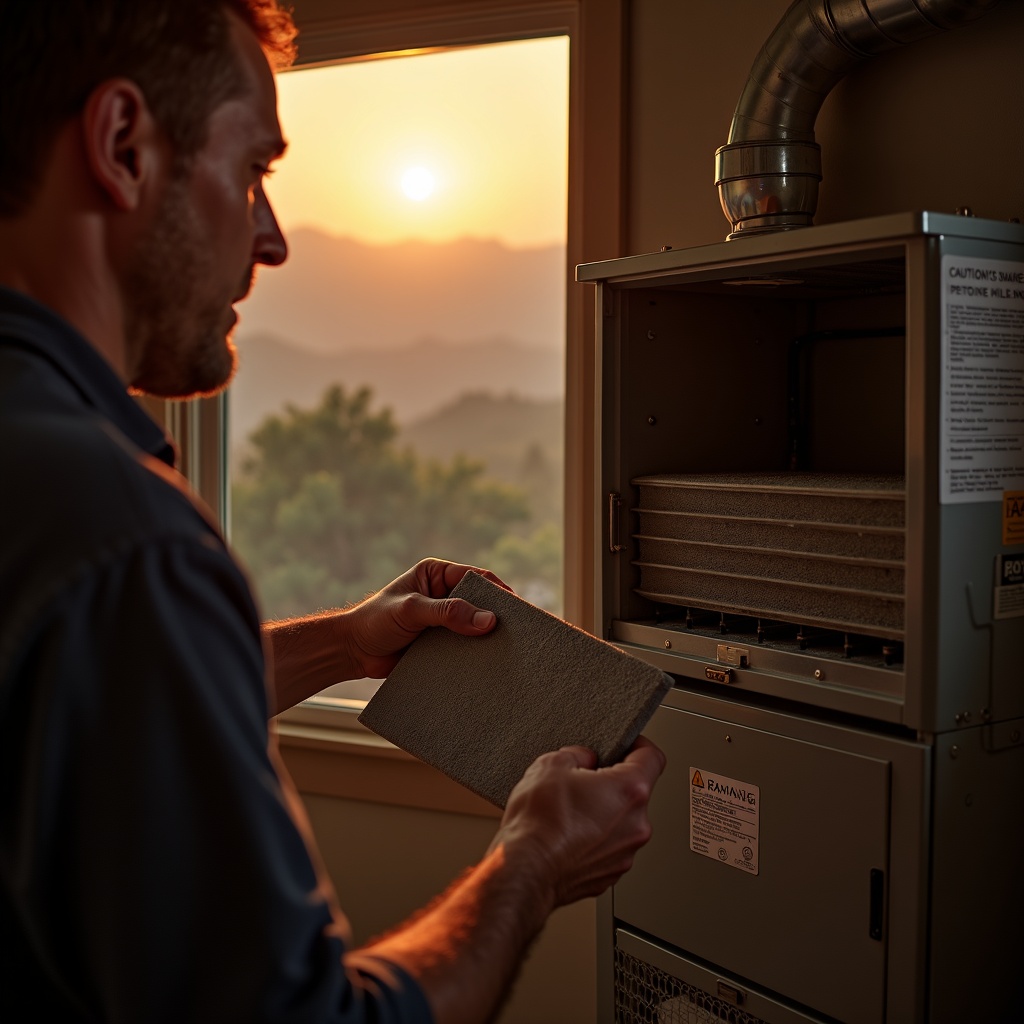
Replace your air filter immediately. If it hasn’t been changed since last winter, it’s clogged with 8+ months of dust. Drive to any hardware store, purchase the correct size filter (check the label on your current one), and swap it out. This $15–$30 task takes five minutes and improves airflow by up to 30%. Mark your calendar to repeat this monthly during heating season.
Check all vents throughout your home. Walk through each room and ensure supply vents aren’t blocked by furniture, drapes, or storage boxes. In larger West Hills homes—often 2,500–4,000 square feet—blocked vents in unused rooms force your system to work harder heating occupied spaces. Clear obstructions now, before you turn the heat on.
Test your thermostat. Set it to heat mode and raise the temperature 5 degrees above current room temperature. The furnace should start within seconds. If it doesn’t respond, check the batteries (most thermostats use AA or AAA). If replacing batteries doesn’t solve the problem, your thermostat may need professional recalibration or replacement, typically costing between $150 and $290.
Professional Inspection: What $150 Prevents
The average cost of a basic furnace tune-up in the United States is between $80 and $150, and in Southern California, a standard furnace tune-up cost typically falls between $70 and $150. That modest investment delivers comprehensive protection against the expensive failures that plague systems after long periods of inactivity.
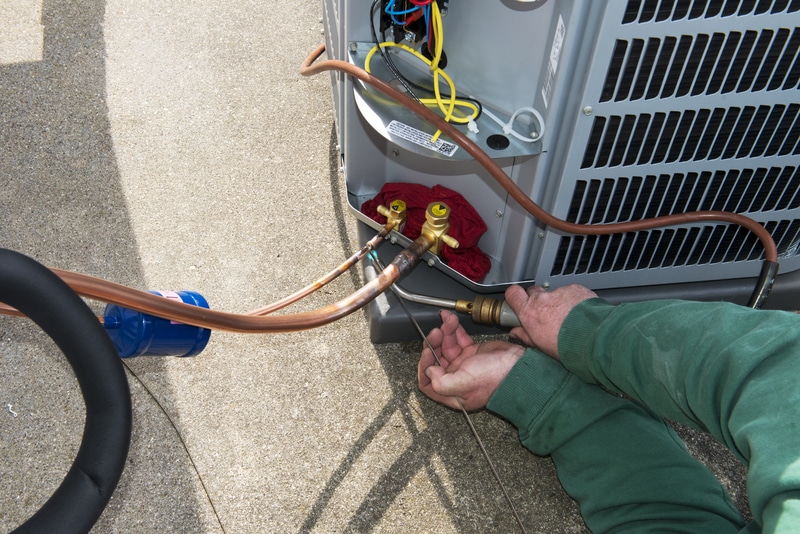
A certified technician inspects your heat exchanger for cracks—the most critical safety check for gas furnaces. Cracked heat exchangers allow carbon monoxide to leak into your home’s air supply, creating a deadly hazard that has no smell or visible warning. Early detection costs $150. Emergency replacement after a failure? Furnace repair costs in the Southern California area can range from $200 to as high as $3,000.
Technicians also clean burner assemblies, test gas pressure, verify proper ignition sequence, inspect electrical connections, measure airflow, and check safety controls. Each of these tasks addresses problems that develop during months of sitting idle. For West Hills homeowners, where heating systems operate perhaps 3–4 months annually, professional fall maintenance isn’t optional—it’s the only way to ensure reliable performance when you need it.
Carbon Monoxide Detectors: Non-Negotiable Safety
Every home with a gas furnace needs working carbon monoxide detectors on each floor and outside sleeping areas. Basic carbon monoxide detectors cost as little as $20, while plug-in detectors with battery backup typically cost between $25 and $75. Test each detector monthly by pressing the test button, and replace carbon monoxide detectors every five years regardless of whether they appear to function.
Battery-powered units offer the simplest installation—mount them on the wall following manufacturer instructions, typically at least 15 feet from heating appliances to prevent false alarms. For homes in West Hills’ higher-value neighborhoods like Hidden Lake and Orcutt Ranch area, consider hardwired interconnected systems where triggering one detector sounds alarms throughout the house, though it costs anywhere from $150 to $250 to install one hardwired carbon monoxide detector.
The West Hills Climate Factor
Southern California’s extended cooling season creates unique challenges for heating systems. Furnaces in Chatsworth, Woodland Hills, and Canoga Park often sit unused from March through October—eight full months of inactivity. During this period, dust settles on components, insects build nests in venting systems, and mechanical parts that rely on regular movement develop resistance.
West Hills’ position in the western San Fernando Valley also subjects outdoor HVAC components to seasonal Santa Ana winds carrying fine particulate matter. This dust infiltrates systems even when they’re not running, accumulating on sensitive components. The combination of long idle periods and environmental dust makes fall cleaning and inspection especially critical for reliable winter performance.
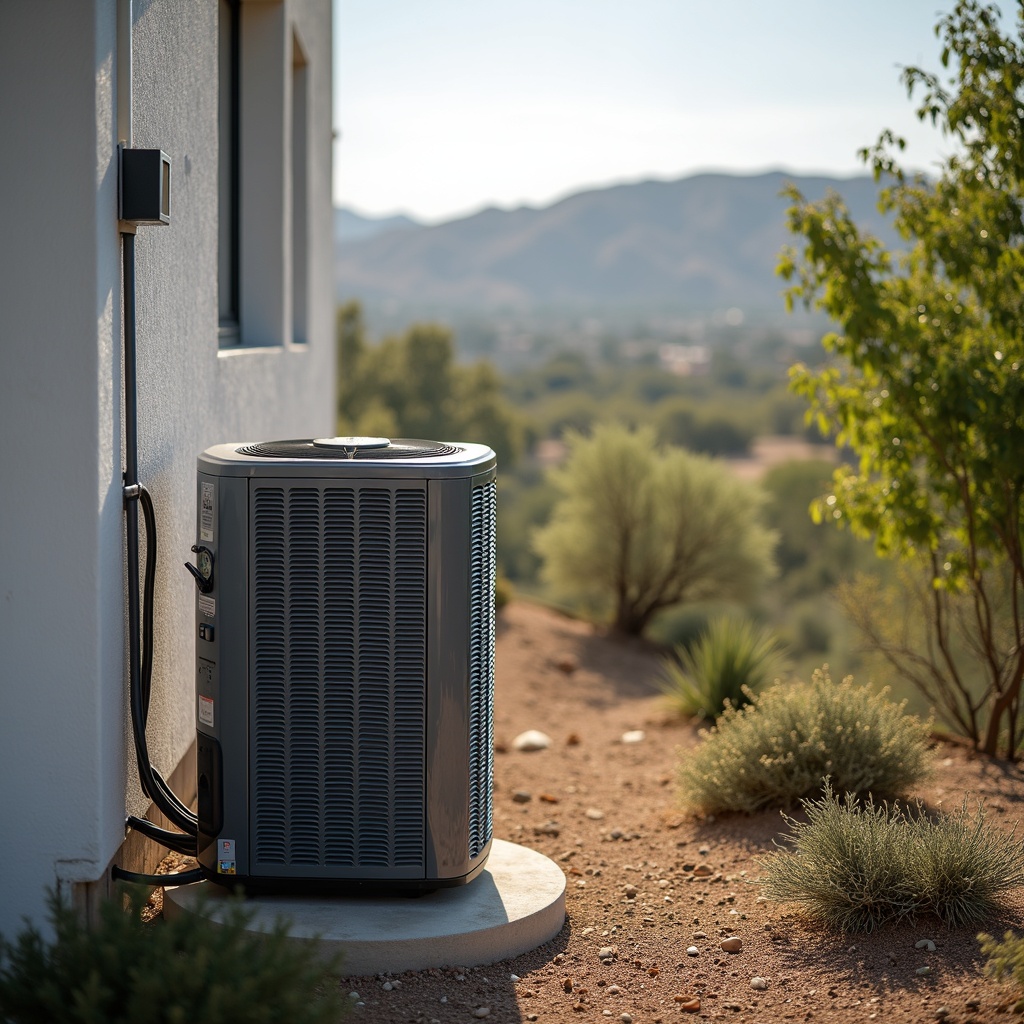
Properties near Shadow Ranch Park or Chatsworth Nature Preserve face additional challenges from vegetation and wildlife. Rodents seeking shelter during fall sometimes nest in outdoor HVAC cabinets, chewing wiring insulation and creating fire hazards. A thorough fall inspection identifies these problems before they cause expensive damage or dangerous failures.
When to Call ACE vs. Handle It Yourself
| Task | DIY-Friendly | Requires Professional |
|---|---|---|
| Air filter replacement | ✓ Yes | — |
| Thermostat battery replacement | ✓ Yes | — |
| Vent cleaning and clearing | ✓ Yes | — |
| CO detector installation (battery) | ✓ Yes | — |
| Heat exchanger inspection | — | ✓ Required |
| Gas pressure testing | — | ✓ Required |
| Burner cleaning and adjustment | — | ✓ Required |
| Electrical component testing | — | ✓ Required |
| Pilot light/igniter inspection | — | ✓ Required |
Handle the basic tasks yourself—filter changes, battery replacements, and visual inspections require no special tools or training. But anything involving gas lines, electrical components, or internal furnace mechanisms requires EPA certification, specialized diagnostic equipment, and liability insurance that only licensed contractors carry. Attempting these tasks yourself voids manufacturer warranties and creates serious safety risks.
For West Hills properties where HVAC systems represent significant home value investments, professional maintenance also provides documentation that preserves warranty coverage. Many manufacturers require annual professional service to maintain warranty validity, and some companies may require you to have regular maintenance and service done in order for the warranty to not be voided.
Your Complete Fall HVAC Action Plan
Week 1 (Early October): Replace air filters throughout your home. Test thermostat batteries. Verify all vents are clear and unobstructed. Purchase new carbon monoxide detector batteries if yours are battery-powered units.
Week 2: Schedule professional furnace inspection with ACE Appliance Heating and Cooling at (818) 939-4882. Request appointment for mid-to-late October before the seasonal rush. Confirm the service includes heat exchanger inspection, burner cleaning, gas pressure testing, and safety control verification.
Week 3: Test your heating system. Set thermostat to heat mode and raise temperature. Listen for unusual noises, smell for gas odors, and verify warm air flows from all vents. Note any problems to discuss with technician during scheduled inspection.
Week 4 (Professional Service Day): Walk through your home with the technician. Ask questions about any concerns you noticed during testing. Request explanation of any recommended repairs, including whether they’re safety-critical or performance-related. Get written estimates before authorizing additional work beyond basic maintenance.
Ongoing (November–February): Change filters monthly during heating season. Test carbon monoxide detectors weekly by pressing test buttons. Monitor energy bills for unexpected increases that might indicate efficiency problems. Keep outdoor units clear of leaves, debris, and vegetation.
For West Hills homeowners managing high-value properties and protecting significant HVAC investments, this systematic approach delivers reliable heating performance throughout winter while preventing the expensive emergency repairs that plague neglected systems.
Don’t wait until the first cold night to discover your furnace won’t start. Call ACE Appliance Heating and Cooling today at (818) 939-4882 to schedule your fall furnace inspection. Our certified technicians serve all West Hills neighborhoods including Valley Circle, Stonegate Estates, Castle Peak, and Hidden Lake with upfront pricing and same-day service availability.
Get Your Free Quote Today