Gas Furnace Repair in a Woodland Hills Closet Installation

Many homes in Woodland Hills have their gas furnace and evaporator coil installed inside an interior utility closet rather than in a garage, attic, or crawlspace. This closet-installed upflow configuration is common in condominiums, townhomes, and single-story homes throughout the San Fernando Valley where space is limited and attic installations are not practical. While closet installations keep the equipment out of sight and protected from outdoor elements, they also create unique challenges for both maintenance and repair. The tight working space, proximity to living areas, and the way the furnace, evaporator coil, ductwork, gas line, and drain lines are all packed into a confined area mean that even routine service requires a technician who is experienced with these specific configurations.

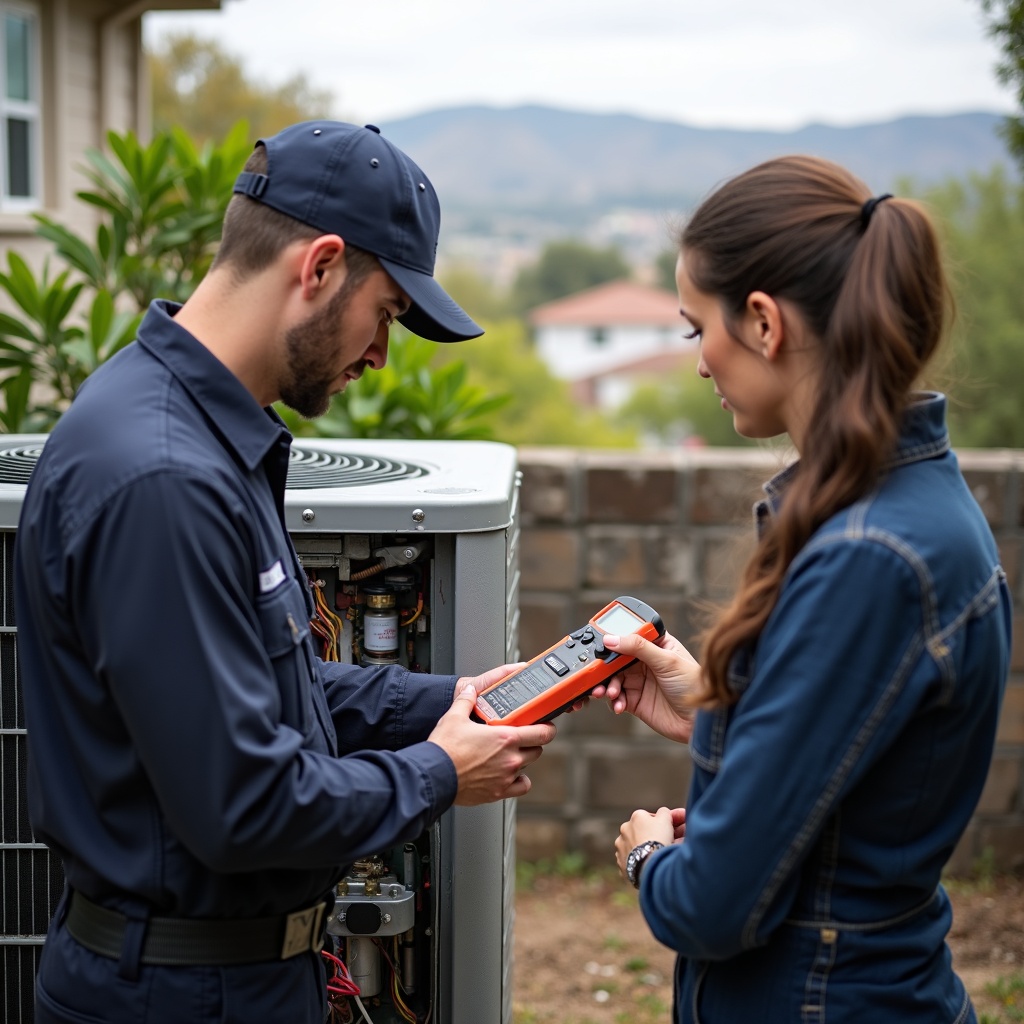
Our Woodland Hills HVAC Repair team was called to a home where the gas furnace had stopped producing heat. The homeowner reported that the system would attempt to start but would shut down before the burners ignited. After removing the front access panel, our technician performed a complete diagnostic evaluation of the furnace, inspecting the inducer motor, gas valve, ignition system, flame sensor, wiring connections, and control board to identify the cause of the failure and restore heat to the home.
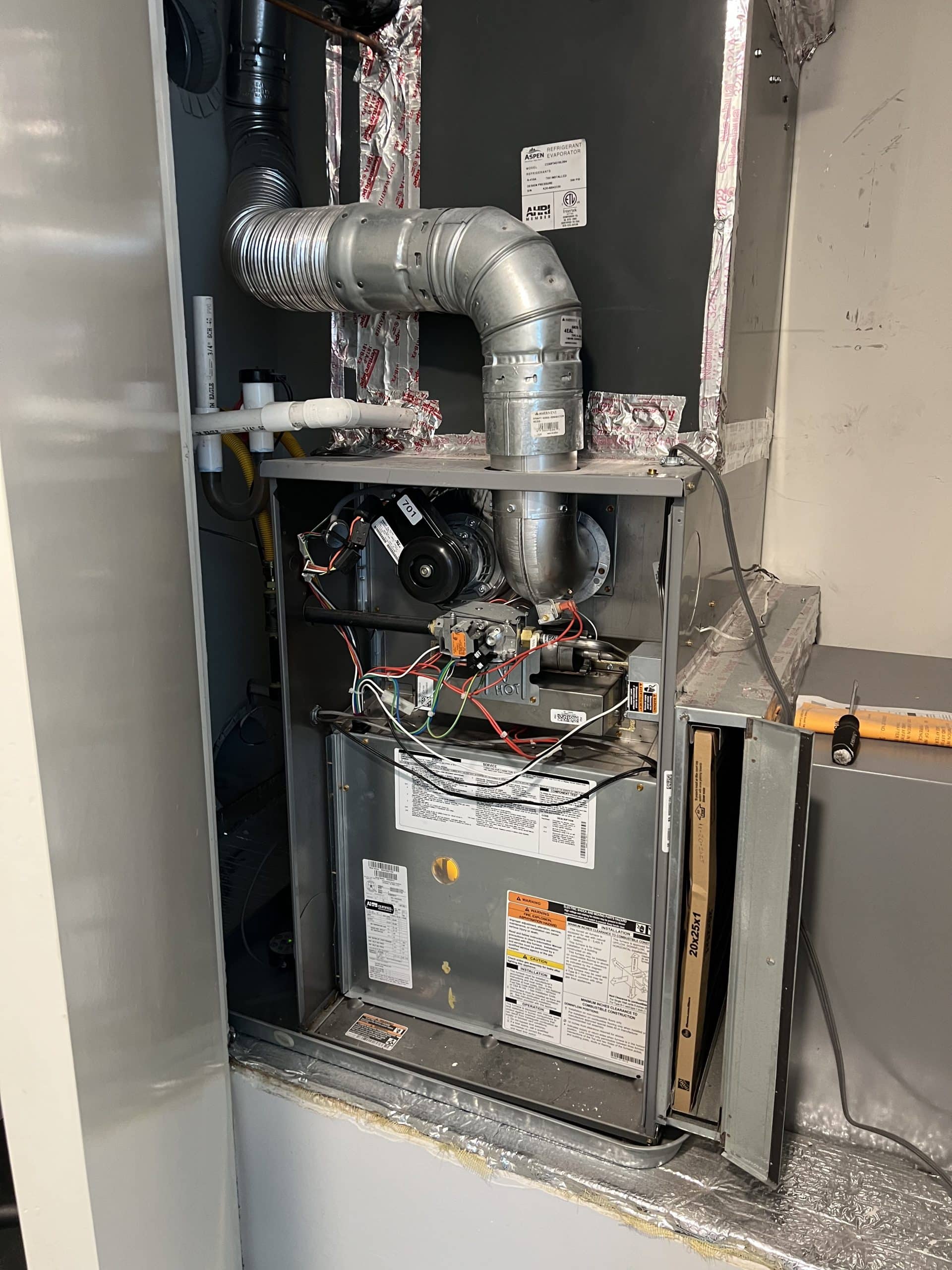
Gas furnace repair in closet installation in Woodland Hills home

Understanding the Ignition Sequence in a Modern Gas Furnace

When a thermostat calls for heat, a modern gas furnace does not simply open the gas valve and light the burners. The system follows a precise startup sequence controlled by the circuit board, and each step must complete successfully before the next one begins. Understanding this sequence is important because a furnace that shuts down before producing heat has typically failed at one specific step in this chain. The standard ignition sequence includes:

  • The inducer motor starts first, creating a draft through the heat exchanger and exhaust vent to ensure safe combustion gas removal

  • The pressure switch closes once the inducer has established proper airflow, confirming the vent path is clear
  • The hot surface igniter heats up to the temperature needed to ignite the gas
  • The gas valve opens, sending gas to the burner assembly where it contacts the glowing igniter
  • The flame sensor detects the presence of a flame and signals the control board that combustion is occurring safely
  • The blower motor engages after a short delay to begin circulating heated air through the ductwork

If any step in this sequence fails, the control board locks out the system as a safety precaution. A technician who understands this sequence can often determine the point of failure by observing how far the furnace gets before shutting down, which dramatically narrows down the list of potential causes.

Common Causes of Furnace Failure in Woodland Hills Homes

Because Woodland Hills experiences mild winters compared to colder climates, many homeowners only discover furnace problems when the first significant cold snap arrives and the system has been sitting idle for months. A furnace that has not run since the previous winter may fail due to issues that developed during the long dormant period. The most frequent causes of failure we see in Woodland Hills furnace service calls include:

  • A dirty or cracked flame sensor that cannot detect the burner flame, causing the gas valve to shut off within seconds of ignition

  • A failed hot surface igniter that can no longer reach the temperature needed to light the gas
  • Inducer motor failure preventing the system from establishing the draft needed to begin the ignition sequence
  • A clogged condensate drain line that triggers a safety shutdown on high-efficiency furnaces
  • Dust and debris buildup inside the burner assembly after months of sitting idle
  • A faulty gas valve that does not open when signaled by the control board
  • Control board failure caused by power surges or component aging

The flame sensor is by far the most common cause of furnace lockout in homes where the system sits idle for extended periods. Oxidation builds up on the sensor rod during the off-season, and when the furnace finally fires, the sensor cannot detect the flame properly. This is a quick and affordable repair when caught early, but many homeowners mistake the symptom for a much larger problem.

Challenges of Servicing a Closet-Installed Furnace

Working on a furnace installed in a utility closet presents challenges that do not exist when the same equipment is in a garage or basement with open space around it. The technician must work within inches of the gas line, condensate drain, refrigerant lines running to the Aspen evaporator coil above, and the exhaust vent pipe, all while carefully handling sensitive components like the gas valve and control board wiring. The tight quarters also make it harder to use diagnostic tools, reach fasteners behind components, and position test meters where they need to be.

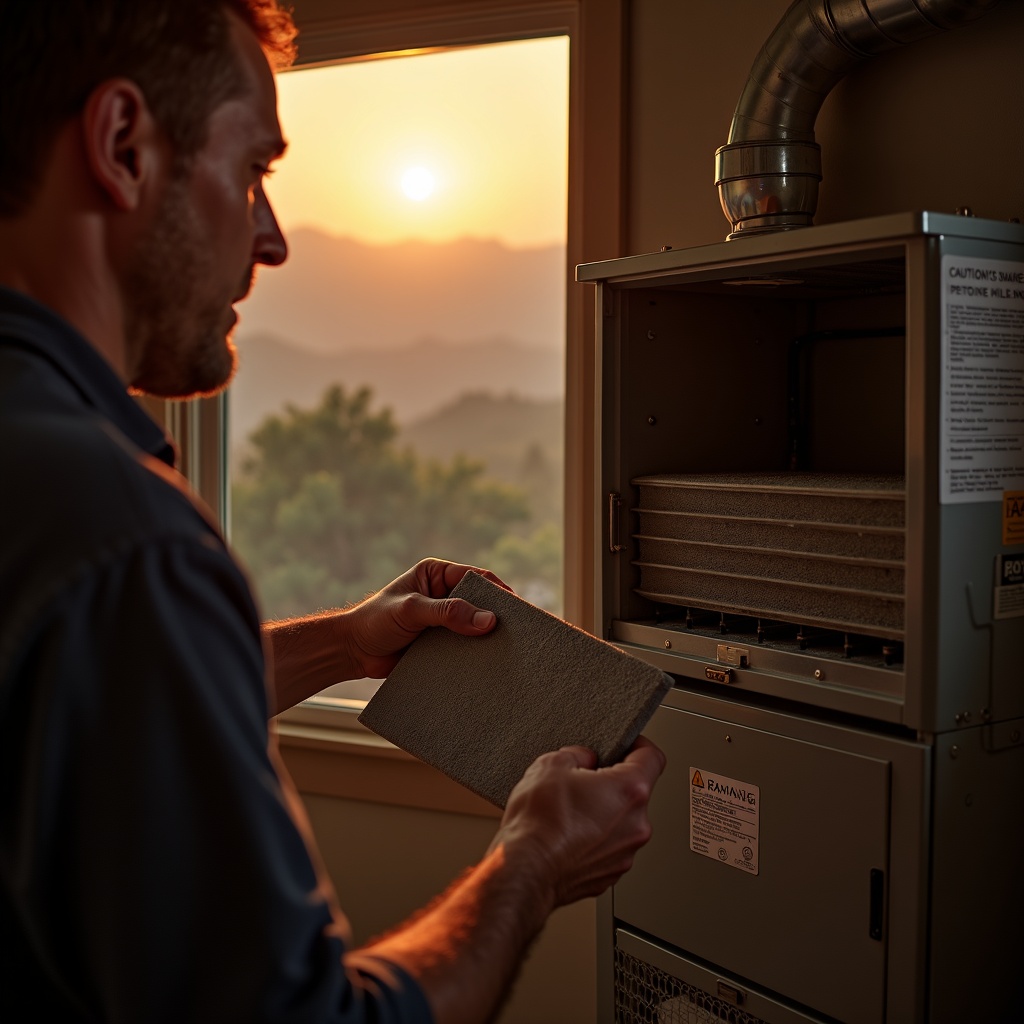
In Woodland Hills, closet-installed furnaces also face an air quality factor that garage or attic units do not. Interior dust, pet hair, cooking residue, and household contaminants are pulled directly through the return air filter and into the system. If the filter is not changed regularly, these particles coat the flame sensor, restrict airflow across the heat exchanger, and can even affect the inducer motor bearings over time. A 20x25x1 filter, which is the standard size in many Woodland Hills closet installations, should be replaced every 30 to 60 days during the heating season to protect the system and maintain safe, efficient operation.

Trusted Furnace Repair in Woodland Hills

If your furnace is failing to ignite, shutting down mid-cycle, blowing cold air, or making unusual noises, professional diagnosis is the safest way to identify and resolve the problem. ACE Appliance Heating & Cooling provides expert gas furnace repair and maintenance throughout Woodland Hills, including closet-installed systems that require specialized experience to service safely. Our technicians understand the ignition sequence, safety controls, and gas system requirements that keep your furnace running reliably and your family safe.

Call us today at (818) 939-4882 for fast, reliable local service.

Woodland Hills FAQ’s – Gas Furnace Repair

This is most commonly caused by a dirty flame sensor. The flame sensor is a small metal rod that detects the presence of a flame after the gas valve opens. If oxidation or carbon buildup prevents the sensor from reading the flame correctly, the control board shuts the gas valve as a safety precaution. Cleaning or replacing the flame sensor is typically a quick and affordable repair.

The inducer motor is a small fan that starts before the burners ignite. Its job is to create a draft through the heat exchanger and exhaust vent, clearing any residual gases and establishing proper airflow for safe combustion. The furnace will not proceed with the ignition sequence until the inducer motor has confirmed proper draft through the pressure switch. If the inducer motor fails, the furnace cannot start at all.

Yes, closet-installed gas furnaces are designed and approved for this type of installation as long as they meet code requirements for combustion air supply, venting, and clearances. These systems use sealed combustion or draw combustion air from a dedicated source. However, the confined space makes it especially important to keep the area around the furnace clear of stored items and to maintain regular service to ensure all safety systems are functioning properly.

For closet-installed furnaces, the air filter should be changed every 30 to 60 days during active use. Because the system draws air directly from the living space, household dust, pet hair, and cooking particles accumulate on the filter quickly. A clogged filter restricts airflow, forces the blower motor to work harder, reduces heating efficiency, and can trigger safety shutdowns on some systems.

Yes. In Woodland Hills, furnaces often sit idle for six months or more between heating seasons. During that time, dust accumulates on internal components, oxidation builds up on the flame sensor, condensate drain lines can develop clogs, and insects or debris can enter the exhaust vent. A pre-season inspection catches these issues before they leave you without heat on the first cold night and ensures the system is operating safely.

Get Your Free Quote Today


Related Articles

  • J
    Written by Joe Owner & Lead Technician, 25+ Years Experience

    With 25 years in the appliance repair and HVAC industry, Joe [last name] leads the service team at ACE Appliance Heating and Cooling. A licensed and insured family-owned business (CA State Lic #959246, BEAR Lic #A4405) serving Woodland Hills, Calabasas, Westlake Village, and the San Fernando Valley, we bring hands-on expertise to every repair, installation, and emergency call.

    ❓ Frequently Asked Questions

    How much does it cost to fix an AC that runs but doesn't cool in Woodland Hills?

    Repair costs range from $150-$450 for capacitor replacement to $1,200-$2,500 for compressor replacement. Most homeowners pay $200-$800 for refrigerant leaks, dirty coils, or airflow issues. ACE Appliance Heating and Cooling at (818) 939-4882 provides free estimates and transparent pricing before starting any work.

    Can I run my AC if it's not cooling properly?

    Running an AC that isn't cooling wastes energy and can cause additional damage. Low refrigerant forces the compressor to work harder, potentially causing expensive failure. Turn off the system and call a professional to diagnose the issue before further damage occurs.

    Why does my AC struggle to cool when Woodland Hills temperatures exceed 110°F?

    Most residential AC systems are designed to maintain a 20-25°F difference between outdoor and indoor temperatures. When outdoor temps hit 115°F, your system may only achieve 90-95°F indoors despite running continuously—this is a design limitation, not a failure.

    Should I repair or replace my AC if the compressor fails?

    For systems under 7 years old or still under warranty, repair typically makes sense. For systems over 10 years old, compressor replacement costs ($1,200-$2,500) often justify investing in a new, more efficient system instead, especially if using outdated R-22 refrigerant.