Understanding Why Your Premium Lake Sherwood Home Deserves Cold Air

📋 In This Guide
- ▸Refrigerant Leaks: The Silent System Killer
- ▸Air Filter Neglect: The Most Common Culprit
- ▸Frozen Evaporator Coils: When Systems Ice Over
- ▸Thermostat Malfunctions: The Command Center Crisis
- ▸Compressor and Mechanical Failures: The Expensive Scenarios
- ▸Ductwork Problems and Electrical Issues: The Hidden Complications
- ▸Lake Sherwood's Climate Impact and Professional Solutions
When you’ve invested in a $2.5 million estate in Lake Sherwood’s Hidden Valley or around Sherwood Country Club, the expectation of flawless climate control isn’t just about comfort—it’s about protecting your investment. Yet even the most sophisticated HVAC systems can develop issues that leave you with warm air when you need cooling most. For Lake Sherwood homeowners accustomed to premium performance, an AC blowing warm air represents more than just discomfort; it signals potential property value concerns and escalating energy costs.
The unique environmental conditions surrounding Lake Sherwood—from the dust generated by nearby hillsides to the intense valley heat that settles around the lake—create specific challenges for residential cooling systems. Understanding the seven most common causes of warm air delivery helps you respond quickly, minimizing damage to your high-value property and preserving the comfort your family expects. Whether you’re noticing diminished cooling after returning from your Sherwood Country Club round or experiencing inconsistent temperatures throughout your estate, this comprehensive guide provides the diagnostic insights Lake Sherwood homeowners need.
Refrigerant Leaks: The Silent System Killer
Refrigerant serves as your AC system’s lifeblood, absorbing heat from your home’s interior and releasing it outside. When leaks develop, your system gradually loses cooling capacity until it eventually blows warm air entirely. In Lake Sherwood’s high-value homes, refrigerant leaks often develop in aging copper line sets that run through attics or exterior walls, where temperature extremes cause expansion and contraction over time.
Symptoms of refrigerant loss include progressively warmer air output, ice formation on refrigerant lines near your outdoor unit, hissing sounds from line sets, and unexpectedly high electricity bills as your system runs longer to achieve set temperatures. Lake Sherwood’s older housing stock—particularly properties built during the community’s initial development—may feature outdated R-22 refrigerant systems now prone to leaks as components age.
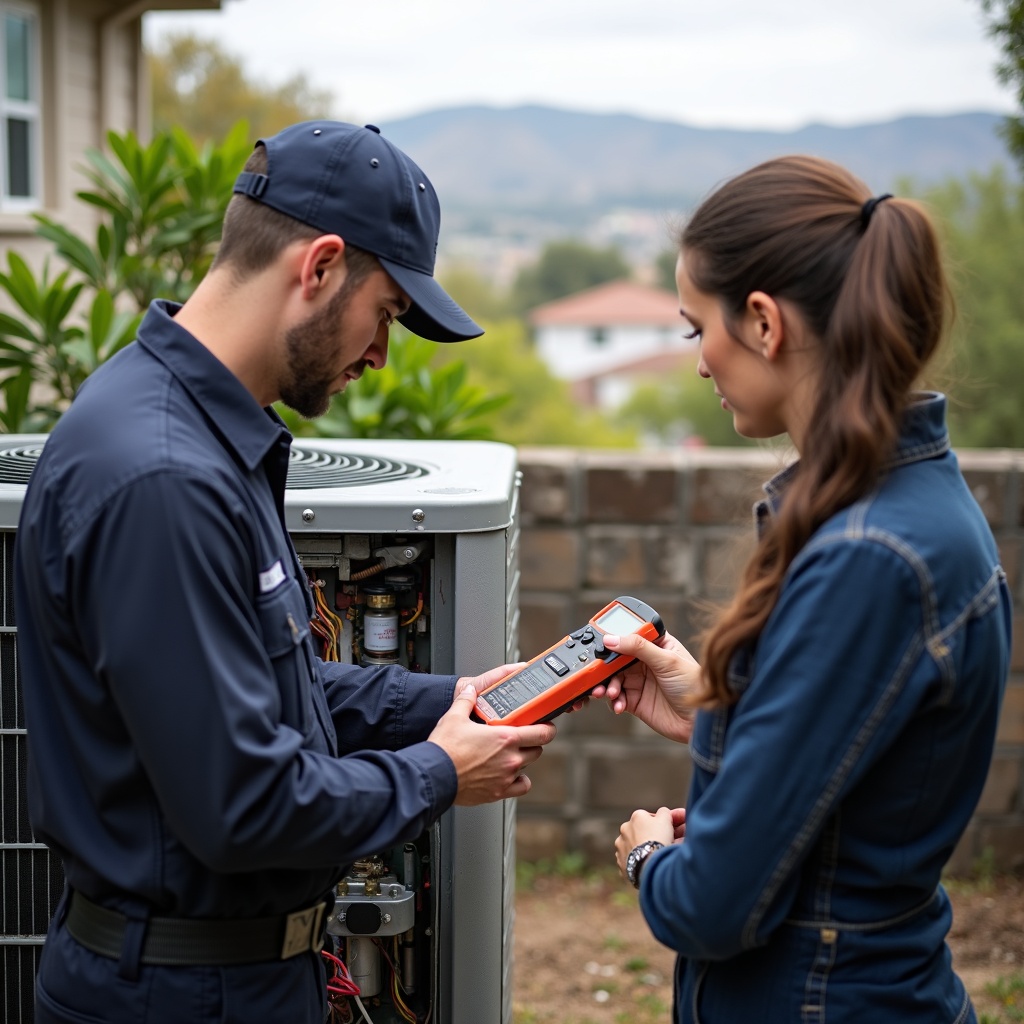
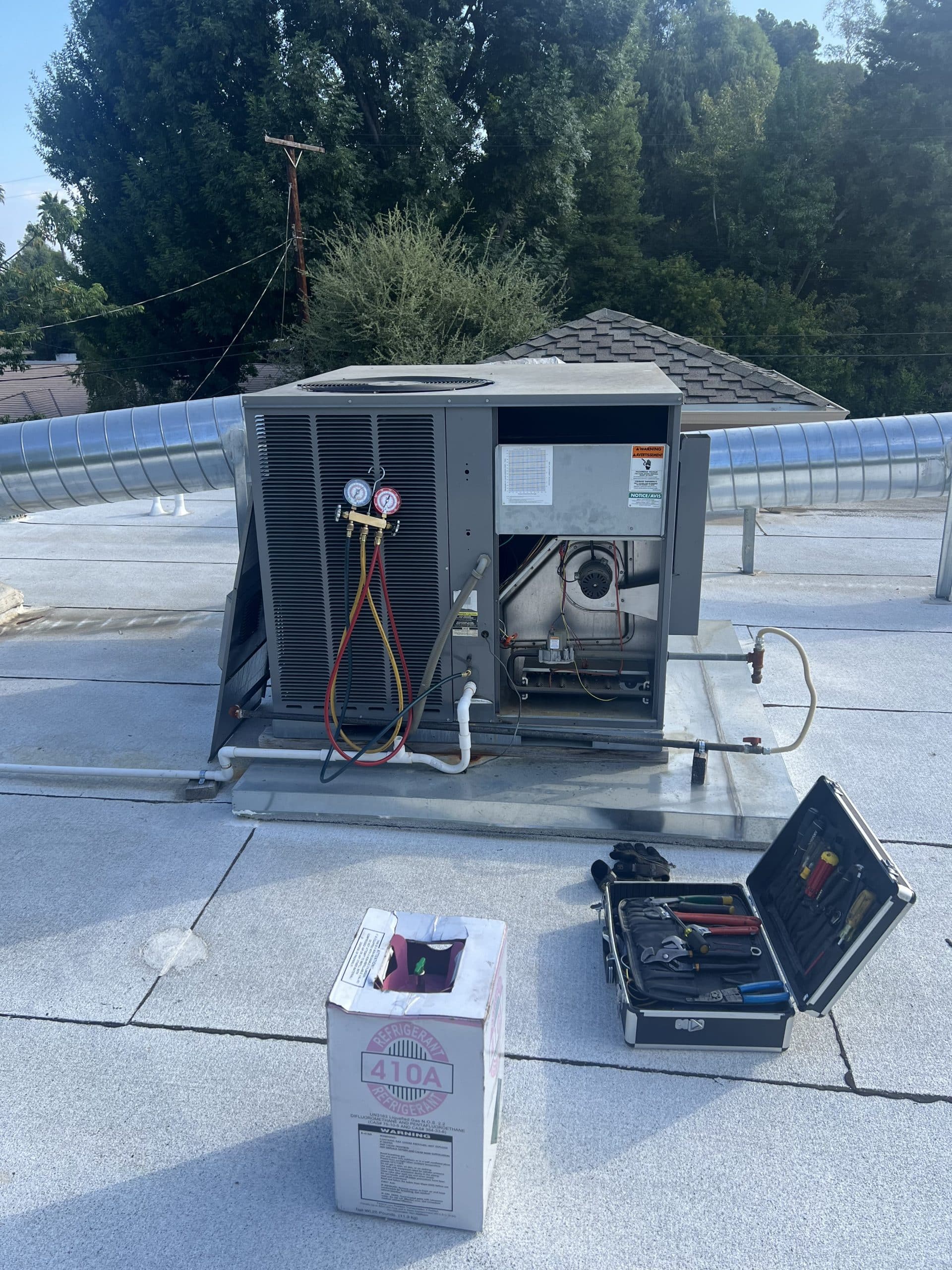
While homeowners can visually inspect refrigerant lines for obvious damage or frost accumulation, proper diagnosis requires specialized gauges to measure system pressures. More importantly, federal regulations require EPA certification for anyone handling refrigerants, making this strictly a professional repair. For Lake Sherwood residents, AC repair in Lake Sherwood typically costs $300-$1,500 for refrigerant leak repairs, depending on leak location and whether system conversion to modern R-410A refrigerant makes economic sense for older equipment.
Prevention involves scheduling annual inspections where technicians check refrigerant levels and inspect line sets before minor leaks become system failures. Given Lake Sherwood’s investment in premium properties, this preventive approach protects both immediate comfort and long-term equipment value.
Air Filter Neglect: The Most Common Culprit
Despite being the simplest maintenance task, clogged air filters cause approximately 40% of residential AC performance complaints. Lake Sherwood’s location creates particularly challenging conditions—dust from surrounding hillsides, pollen from oak trees common throughout the community, and landscape maintenance debris all accumulate rapidly in HVAC filters. When filters become severely restricted, airflow across your evaporator coil drops dramatically, reducing heat absorption and resulting in warm air delivery.
You’ll notice several symptoms before complete cooling loss: weak airflow from supply vents, longer system run times to reach thermostat settings, dustier indoor surfaces despite regular cleaning, and increased energy consumption. Lake Sherwood’s larger estate homes compound this issue—extensive ductwork serving multiple zones means filter restrictions impact system performance more severely than in smaller properties.
Homeowners can easily diagnose filter problems by removing the filter and holding it toward a light source. If light doesn’t pass through, replacement is overdue. Lake Sherwood residents should check filters monthly and replace them every 30-60 days during peak cooling season, more frequently if you have pets or during periods of heavy landscape maintenance around your property.
Quality pleated filters cost $15-40 each, making this the most economical cooling restoration available. However, if prolonged filter neglect caused your evaporator coil to freeze (discussed next), professional service becomes necessary. The experts at HVAC services in Lake Sherwood recommend setting smartphone reminders for filter checks—a simple habit that prevents expensive repairs.
Frozen Evaporator Coils: When Systems Ice Over
Your indoor evaporator coil should operate at temperatures cold enough to condense moisture from passing air, but not freeze solid. When ice forms on these coils, your system cannot absorb heat, resulting in warm air circulation. Lake Sherwood homeowners typically discover frozen coils after noticing steadily declining cooling performance, visible ice on refrigerant lines entering their air handler, or water damage beneath indoor equipment as ice melts.
Three primary conditions cause coil freezing: restricted airflow (from dirty filters or closed supply vents), low refrigerant levels, or outdoor temperatures too cool for AC operation. Lake Sherwood’s unique microclimate sometimes creates cool evening temperatures after hot days, tempting homeowners to run AC when outdoor temperatures drop below 60°F—this can freeze coils even in properly functioning systems.
If you discover ice formation, immediately turn your system to OFF or FAN ONLY mode, allowing coils to thaw completely before resuming cooling. This process typically requires 4-8 hours. Never attempt to mechanically remove ice or accelerate thawing with heat sources, as coil damage will require replacement costing $600-2,000 for Lake Sherwood’s typical residential systems.
After thawing, check your air filter first. If the filter is clean and the problem recurs, refrigerant issues or mechanical failures require professional diagnosis. Prevention focuses on maintaining clean filters, keeping all supply vents open throughout your home (even in unused rooms), and scheduling annual maintenance to catch refrigerant problems before coils freeze.
Thermostat Malfunctions: The Command Center Crisis
Modern thermostats serve as your HVAC system’s brain, coordinating cooling cycles and monitoring home temperatures. When these devices fail, they may signal for heating instead of cooling, fail to activate your compressor, or misread ambient temperatures. Lake Sherwood’s tech-savvy homeowners often install premium smart thermostats, but even these sophisticated devices can develop communication failures, sensor drift, or power issues.
Thermostat problems manifest in specific ways: warm air delivery despite cooling mode selection, systems that don’t activate when temperature rises above setpoint, frequent cycling without adequate cooling, or complete display failure. Before assuming equipment failure, Lake Sherwood residents should verify their thermostat shows COOL mode (not OFF or HEAT), check that temperature setting sits at least 5°F below current room temperature, and confirm the display is illuminated and responsive.
Many thermostat issues stem from dead batteries—replace these annually even if your display remains functional, as weak batteries can cause erratic operation before complete failure. If your thermostat uses line voltage (powered directly from your HVAC system), check your electrical panel for tripped breakers. Lake Sherwood’s occasional power fluctuations during summer heat events can trip breakers without homeowners noticing.
For persistent thermostat problems after basic troubleshooting, recalibration or replacement may be necessary. Professional recalibration costs $100-200, while replacement ranges from $150-500 depending on thermostat sophistication. However, these costs pale compared to the expense of misdiagnosing thermostat issues as HVAC failures—a diagnostic visit from ACE Appliance Heating and Cooling costs far less than unnecessary equipment replacement.
Compressor and Mechanical Failures: The Expensive Scenarios
Your outdoor compressor pressurizes refrigerant, enabling heat transfer that cools your home. When compressors fail, systems run but produce no cooling—just circulated warm air. Lake Sherwood’s intense summer heat, combined with the thermal radiation from concrete driveways and stone exterior walls common in the area’s architecture, creates particularly demanding operating conditions for outdoor equipment.
Compressor problems announce themselves through specific symptoms: outdoor unit humming without the normal operational sound, outdoor fan running while compressor remains silent, clicking sounds as the compressor attempts to start, or complete outdoor unit silence despite thermostat calling for cooling. Lake Sherwood residents may also notice their main electrical panel’s AC breaker trips repeatedly when attempting to run cooling.
Homeowners can perform basic diagnostics by listening to their outdoor unit during a cooling cycle. The compressor should produce a steady hum or buzz distinct from the fan sound. If you hear clicking without compressor engagement, electrical components like capacitors or contactors may have failed—repairs typically costing $150-400. However, actual compressor failure presents more serious financial decisions for Lake Sherwood homeowners.
Compressor replacement costs $1,200-2,800 depending on system size and refrigerant type, often representing 50-70% of total system replacement cost. For Lake Sherwood properties with systems approaching 10-15 years of age, compressor failure typically triggers complete system replacement rather than component repair. The decision hinges on remaining equipment life expectancy, energy efficiency improvements of modern systems, and whether your current system uses obsolete R-22 refrigerant. Professional guidance from reliable air conditioning services helps Lake Sherwood homeowners make economically sound decisions balancing immediate repair costs against long-term value.
Ductwork Problems and Electrical Issues: The Hidden Complications
Two additional categories of problems can cause warm air delivery in Lake Sherwood homes: ductwork failures and electrical complications. Both present diagnostic challenges since problems occur in concealed locations—attics, crawlspaces, or within electrical panels.
Ductwork problems range from disconnected supply ducts that dump cooled air into attic spaces, to return duct leaks that draw hot attic air into your system before cooling occurs. Lake Sherwood’s larger estates feature extensive duct runs, increasing leak probability as systems age. Symptoms include specific rooms that never cool properly, excessive dust accumulation, musty odors from supply vents, and disproportionately high cooling costs relative to home size. While homeowners can visually inspect accessible ductwork in attics or basements, comprehensive assessment requires professional ductwork repair and installation services including pressure testing to identify hidden leaks. Ductwork repairs typically cost $300-1,000 depending on access difficulty and extent of problems.
Electrical issues present another hidden complication. Lake Sherwood homes often feature sophisticated electrical systems, but age-related degradation affects even premium installations. Burned wiring at outdoor disconnect boxes, corroded wire connections, failed capacitors, or malfunctioning contactors can prevent compressor operation while fans continue running—creating the illusion of system function without actual cooling. These electrical failures particularly affect Lake Sherwood properties during peak heat, when maximum electrical draw stresses aged components.
Electrical diagnosis requires specialized testing equipment and expertise—never attempt to inspect live electrical connections without proper training. Professional diagnosis identifies specific failed components, with typical electrical repairs costing $150-500. However, electrical problems left unaddressed can progress to catastrophic failures requiring complete component replacement, making prompt professional assessment critical for Lake Sherwood’s high-value properties.
Lake Sherwood’s Climate Impact and Professional Solutions
Lake Sherwood’s unique position creates specific HVAC challenges. The community’s proximity to hillsides generates dust infiltration, while the lake itself creates localized humidity variations affecting cooling loads. Summer temperatures regularly exceed 95°F, while the thermal mass of surrounding terrain radiates heat well into evening hours, extending daily cooling requirements compared to nearby Thousand Oaks properties at lower elevations.
These environmental factors accelerate the problems discussed throughout this guide. Dust clogs filters faster, heat stresses compressors more severely, and temperature extremes in attics where ductwork runs exacerbate air leakage impacts. Lake Sherwood homeowners protecting $2.5 million property investments cannot afford reactive maintenance approaches—prevention becomes essential.
Our affordable AC maintenance program provides comprehensive annual service for just $95, covering all critical inspection points discussed in this guide. During these visits, technicians measure refrigerant levels, inspect electrical connections, verify compressor operation, check ductwork accessibility, and assess component condition—catching small problems before they escalate to warm air failures during peak cooling season.
For Lake Sherwood residents experiencing warm air now, our team responds quickly throughout 91361 and surrounding areas including HVAC in Thousand Oaks. We understand that high-value properties require prompt, professional resolution to protect both comfort and investment value. Call (805) 696-6263 for same-day diagnostic service when your system fails to deliver the cooling performance your Lake Sherwood home deserves. Our factory-trained technicians service all major brands and carry extensive parts inventory, enabling same-visit repairs for most common warm air causes. Don’t let a preventable problem escalate into expensive emergency replacement—contact ACE Appliance Heating and Cooling today for expert diagnosis and cost-effective solutions.
Get Your Free Quote Today