Why Santa Ana Wind Damage Differs from Regular Wind Events
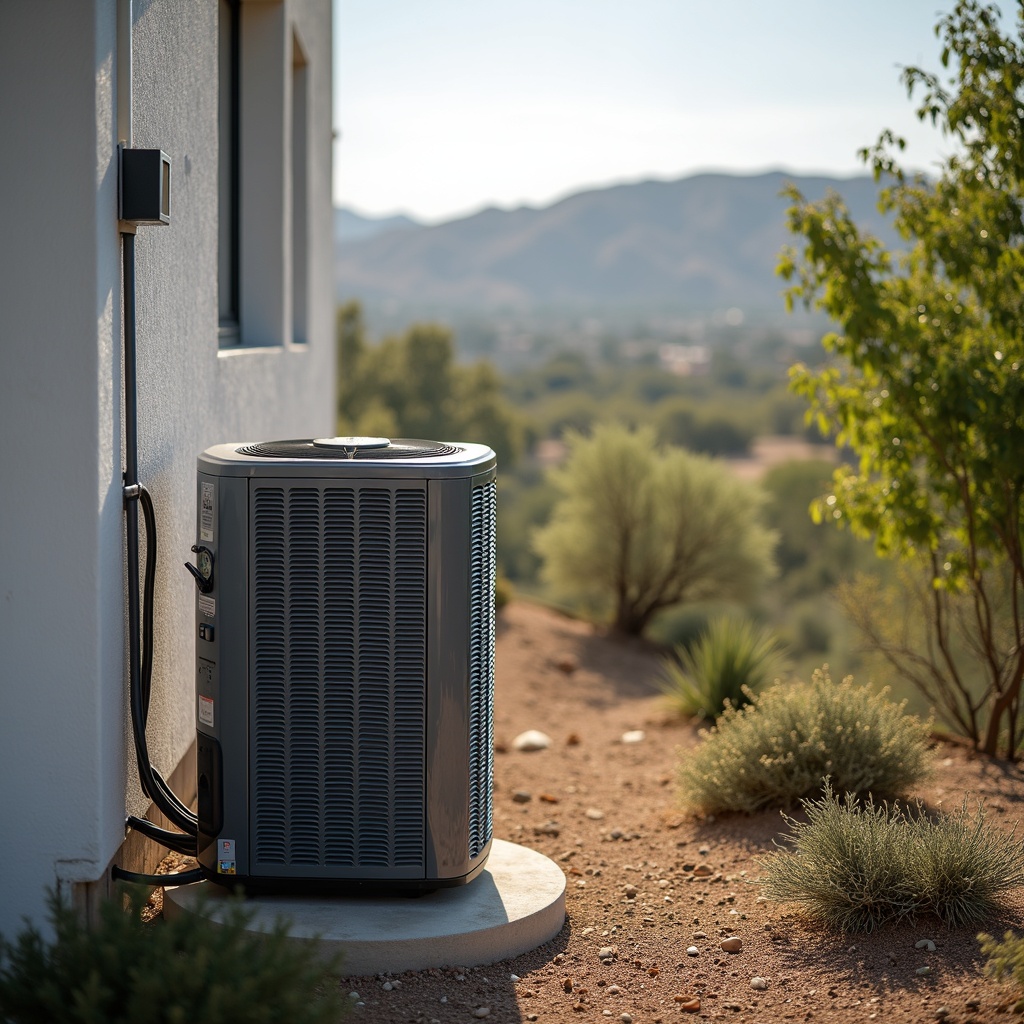
Many Calabasas homeowners assume all wind is the same—but Santa Ana winds bring uniquely hot, dry conditions in autumn and winter, peaking in December and January, creating HVAC challenges far beyond what typical weather produces. Unlike summer breezes or seasonal storms, Calabasas experiences winds of 15 to 25 mph gusting to 35 mph during Santa Ana events, combined with extreme dryness that pushes your cooling system harder even when outdoor temperatures soar. This isn’t about broken shingles or downed trees—it’s about dust infiltration, compromised outdoor units, and air quality issues that turn your AC from asset to liability. When homeowners confuse Santa Ana preparation with general storm readiness, they miss the window to protect thousands of dollars in HVAC investments.
📋 In This Guide
💰 Typical Wind-Related HVAC Repair Costs
- Condenser coil cleaning (debris removal): $150–$400
- Fan motor replacement (wind damage): $300–$900
- Refrigerant leak repair (vibration damage): $600–$1,500
- Compressor replacement (debris impact): $1,500–$3,000
- Full outdoor unit replacement: $3,000–$7,500
The September-Through-May Preparation Calendar
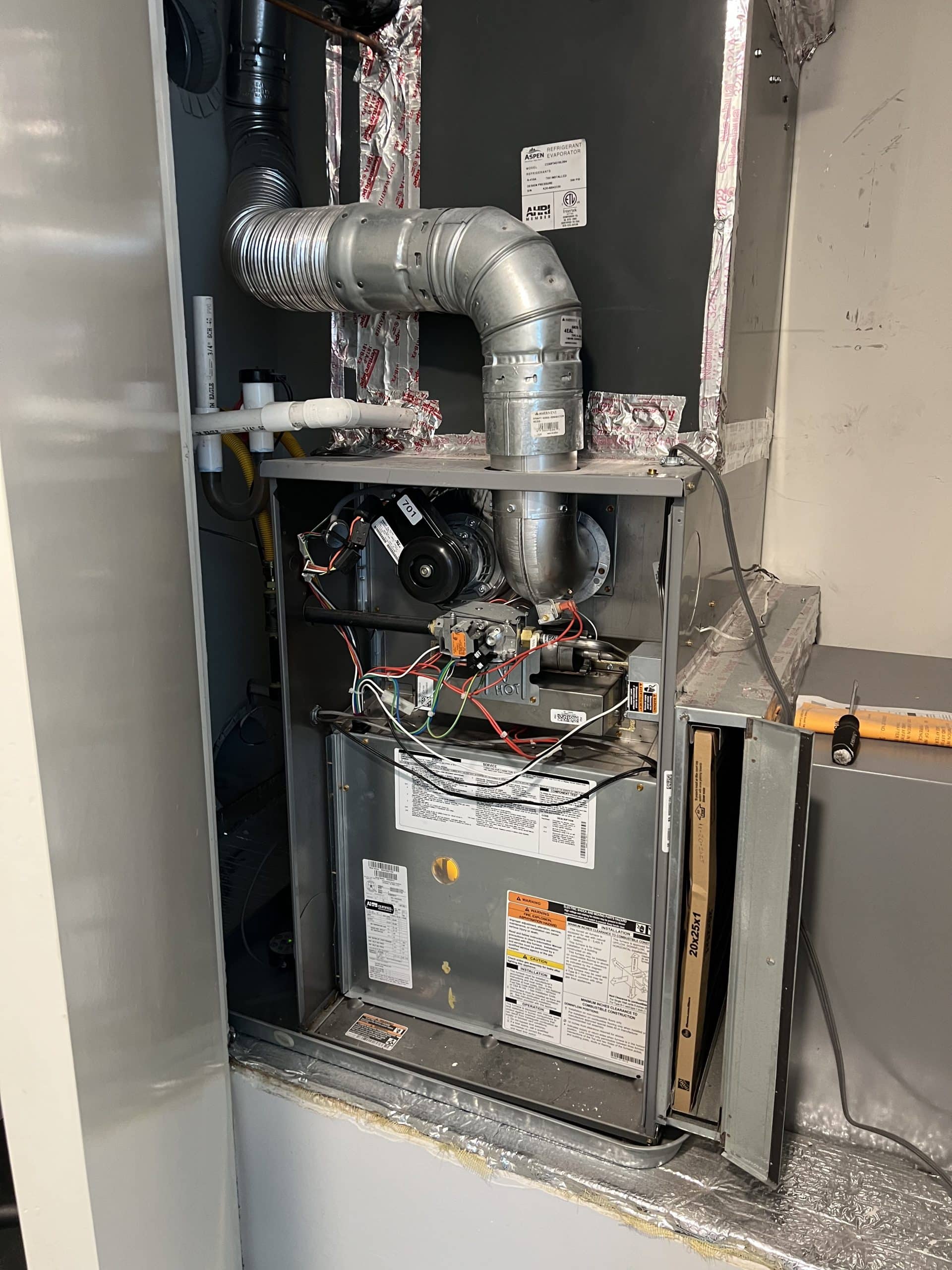
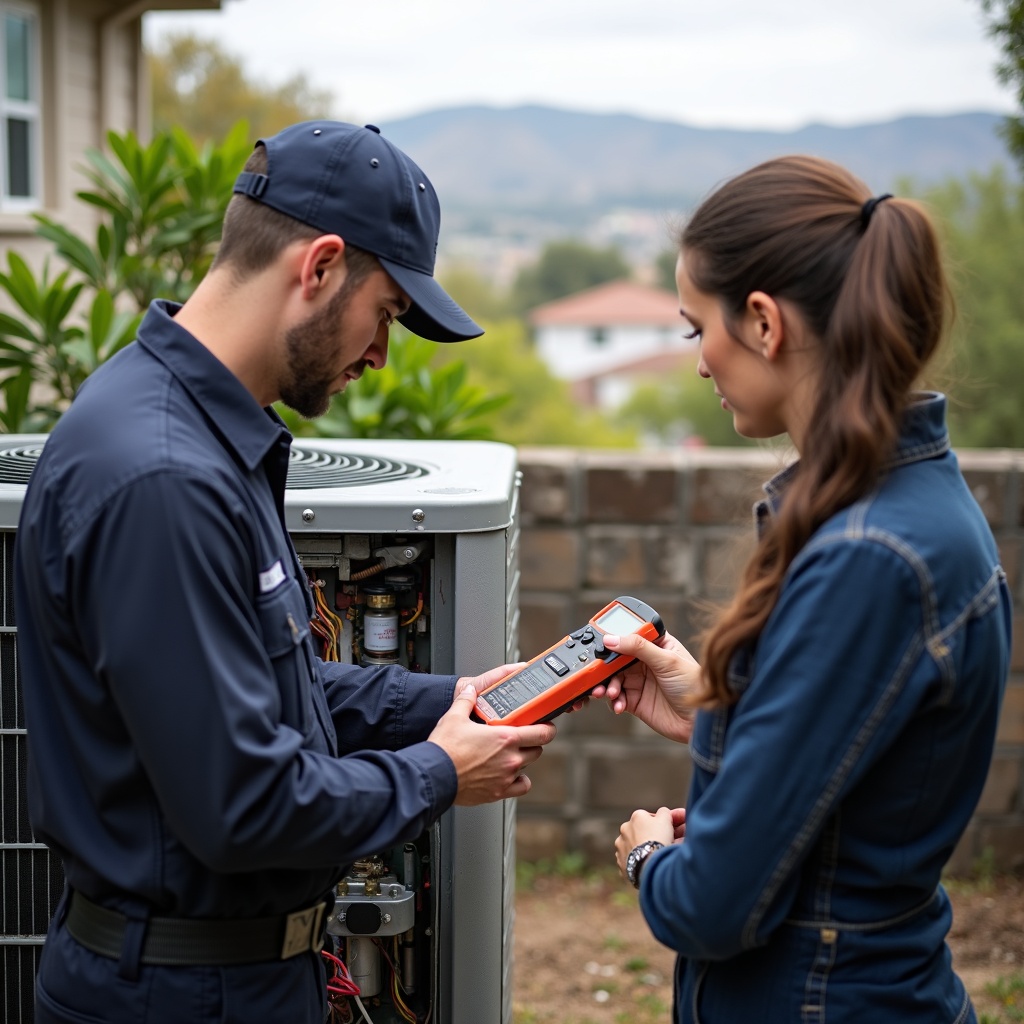
Santa Ana Wind Season occurs between September and May, peaking in December and January, which means Calabasas homeowners need a completely different maintenance rhythm than the traditional spring tune-up model. August becomes your critical preparation month—schedule professional HVAC maintenance before wind season begins, not after damage occurs. This timing matters because technicians inspect outdoor unit anchoring, tighten electrical connections that vibrate loose during high winds, and verify condenser coil protection against airborne debris. Typically 10 to 25 Santa Ana wind events occur annually, with each lasting three days on average, giving you multiple exposure windows where unprepared systems accumulate damage. The homes in Mulholland Heights and Mountain View Estates face particularly intense exposure due to elevation and canyon effects that funnel winds directly at rooftop and side-yard equipment.
Early-Season Tasks (August–September)
Before the first wind event arrives, secure loose panels on your outdoor condenser unit, clear a five-foot radius around equipment of decorative rocks and landscaping materials that become projectiles, and photograph your unit’s condition for insurance documentation. Install windbreak fencing on the prevailing wind side if your unit sits exposed—many Calabasas properties near Woodland Hills and Agoura Hills municipal boundaries benefit from strategically placed hardscape that deflects rather than blocks airflow. Replace standard air filters with high-MERV pleated versions rated for dust and particulate capture, because Santa Ana winds carry extraordinary volumes of fine particles that clog standard filters within days.
Mid-Season Vigilance (October–February)
During peak wind months, check outdoor units after each major event—even if your system appears functional, the low humidity combined with warm air and high wind speeds creates conditions that stress refrigerant lines and electrical connections. Monitor your thermostat for runtime increases, which signal reduced efficiency from dust-clogged coils or debris-blocked airflow. Change indoor filters monthly rather than quarterly during this period, and schedule a mid-season coil cleaning if you notice reduced airflow or warm air from vents. Properties in The Oaks and Calabasas Park experience particularly heavy dust loads due to their proximity to open space and trail systems.
Late-Season Assessment (March–May)
As wind season tapers, conduct a thorough post-season inspection before summer heat arrives. Look for bent fan blades, loosened mounting bolts, and corrosion on electrical terminals—all symptoms of cumulative wind stress. This timing allows you to address repairs before peak cooling demand, when AC repair wait times extend to days or weeks.
| Timing Window | Critical Tasks | Risk If Skipped |
|---|---|---|
| August (Pre-Season) | Professional inspection, secure panels, upgrade filters | Immediate damage in first wind event |
| Oct–Feb (Active Season) | Monthly filter changes, post-event inspections | Cumulative efficiency loss, hidden damage |
| March–May (Post-Season) | Comprehensive assessment, repair scheduling | Summer breakdown when demand peaks |
Insurance Coverage Versus Out-of-Pocket Repairs
Wind damage is typically covered by homeowners insurance, but the distinction between covered and excluded damage determines whether you file a claim or pay out of pocket. Damage from high winds is often covered, but normal wear and tear or owner neglect usually isn’t—and this creates a gray area where wind accelerates existing deterioration. When a Santa Ana gust dislodges a refrigerant line that was already corroded, insurers may dispute whether wind or maintenance failure caused the leak. If damage is minimal and repairs fall under your deductible, they won’t be covered—and some insurers have separate deductibles for wind losses, which can significantly increase your out-of-pocket costs for wind-related HVAC claims.
For high-value Calabasas homes with median values around $1.75 million, standard homeowners policies typically include wind coverage as part of dwelling protection, covering permanently installed central AC systems under structural coverage. However, window AC units aren’t typically included in dwelling coverage since they’re not part of your home’s structure—instead, personal property coverage would cover them. The key insurance strategy: document your HVAC system’s pre-season condition with photos and maintenance records, because proving wind caused new damage rather than revealing existing issues determines claim approval. Most adjusters look for sudden, visible impact—a punctured condenser coil from flying debris qualifies, while a dust-clogged system that overheats typically doesn’t.
When repair costs approach $2,000–$3,000 and you can demonstrate direct wind causation, filing a claim makes financial sense despite potential premium increases. For dust infiltration, filter clogging, and gradual efficiency loss—the most common Santa Ana impacts—you’ll almost certainly pay out of pocket. Budget $300–$600 annually for wind-season maintenance and minor repairs as part of homeownership costs rather than relying on insurance to cover predictable seasonal wear.
Operating Your System During Active Wind Events
When the National Weather Service issues wind advisories for the western San Fernando Valley and Santa Monica Mountains—which includes Calabasas—homeowners face a counterintuitive decision: should you run your AC during extreme wind conditions? The answer depends on visible debris levels and your system’s filter capacity. During moderate Santa Anas with gusts below 30 mph, modern systems with clean, high-MERV filters handle the load without damage. But when gusts reach 60 to 100 miles per hour and visible dust clouds fill the air, shut down your system temporarily to prevent catastrophic filter overload and coil contamination.
The real risk isn’t airflow itself—it’s particulate concentration that overwhelms filtration. When you can see dust haze from your windows or gritty residue accumulates on outdoor surfaces within hours, your air handler pulls thousands of times normal particle loads through ductwork. This causes filters to restrict airflow within hours, forcing blower motors to work harder and potentially overheating. Check your filter during active wind events—if it’s visibly gray or brown after just one day, replace it immediately rather than waiting for scheduled changes. The $20 filter replacement costs far less than the $600–$900 blower motor repair that results from prolonged high-resistance operation.
For homes with ductwork in unconditioned attics—common in older Calabasas construction—Santa Ana winds can actually improve system performance by reducing attic temperatures and minimizing duct heat gain. But this benefit disappears if gaps or unsealed joints allow dust infiltration directly into supply ducts, bypassing filters entirely. If you notice dust accumulating near registers during wind events, you’re experiencing duct leakage that requires professional sealing before next season.
When Wind Damage Signals Replacement Over Repair
Santa Ana events often reveal underlying system weakness rather than causing catastrophic failures—a 12-year-old condenser that survives eight wind seasons suddenly fails during the ninth because cumulative vibration stress finally fractures a refrigerant line. HVAC repair costs in 2026 range from $150–$600 for minor repairs, $600–$1,500 for mid-range repairs, and $1,500–$3,500+ for major repairs, but these numbers don’t account for the pattern of damage. A single $2,500 compressor repair might make sense on a five-year-old system; that same repair on a 14-year-old unit that’s already sustained wind damage twice represents poor value.
The decision threshold: if your system is over 10 years old and wind-related repairs exceed $1,500, or if you’ve had multiple wind-season failures over two consecutive years, replacement typically costs $7,500–$15,500 but eliminates ongoing seasonal repair cycles. Modern variable-speed systems handle wind stress better than older fixed-capacity units because they operate at lower speeds during most runtime hours, reducing vibration and mechanical stress. For Calabasas homeowners who plan to stay in their homes long-term—and given the median home value, most do—investing in wind-resistant installation during replacement makes sense. This includes reinforced mounting pads, vibration-dampening hardware, and strategic placement that minimizes direct wind exposure without compromising airflow.
Contact ACE Appliance Heating and Cooling at (818) 939-4882 for a comprehensive Santa Ana wind readiness assessment. Our technicians serve The Oaks, Mulholwood Heights, and all Calabasas neighborhoods with inspection services timed to your protection needs—not just calendar convenience. We document pre-season conditions, provide insurance-grade photography, and identify vulnerabilities before wind season rather than after damage occurs. Whether you need preventive hardening, post-event damage assessment, or replacement consultation for aging systems, we deliver the expertise high-value Calabasas homes require.
Get Your Free Quote Today